
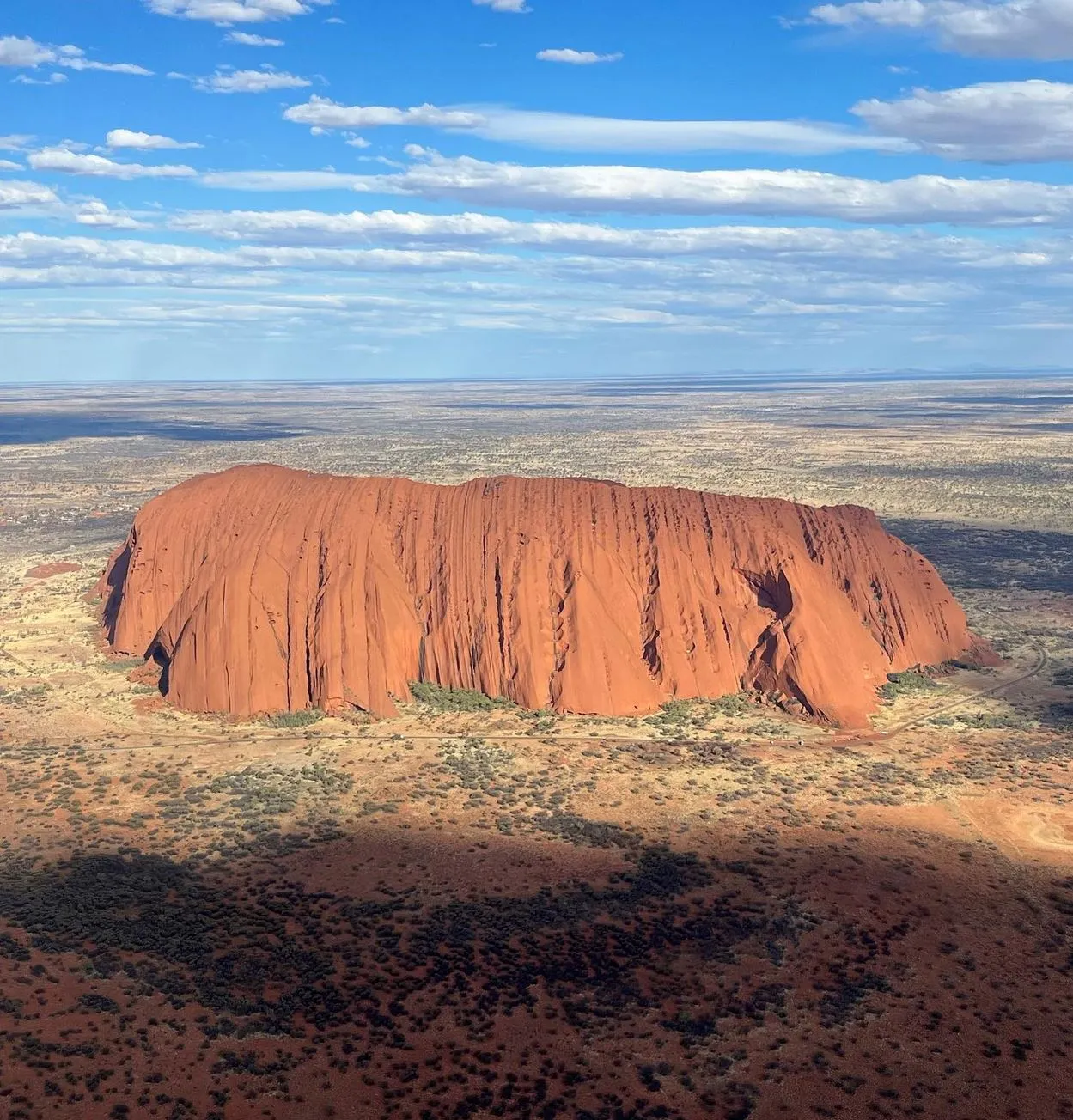
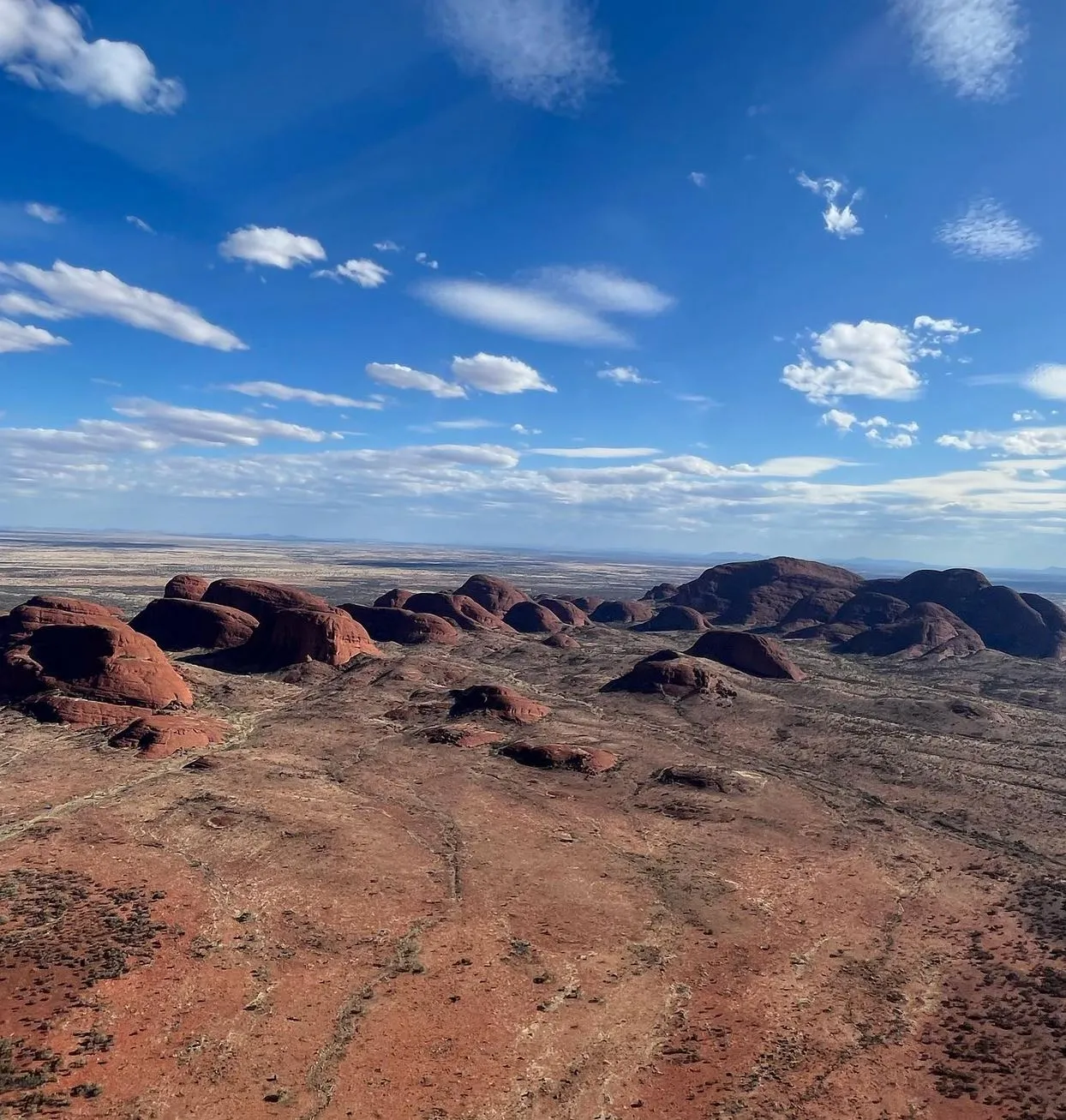
“Can I get helicopter or aerial shots of Uluru and what should I know?” is a fair question and one I get asked on nearly every Red Centre trip I lead with Uluru Ayers Rock Tours. Standing at the base of this monolith is awe-inspiring, but hovering above it? That’s another level from the air, you see how the Australian Outback stretches out forever, how Kata Tjuta sits to the west like a cluster of sleeping giants and how the light moves across the desert like a slow-moving tide.
I’m Paul Beames, founder of Get Lost Travel Group, and after years crossing these sun-baked kilometres, I’ve learned that understanding Uluru from above requires a bit of critical thinking — knowing when to go, who to fly with and what not to film.
Understanding the Cultural Landscape
Uluru isn’t just a landmark, it’s a sacred storybook for the Anangu people, layered with Dreaming Law, supernatural beliefs and history deeper than anything you’ll find in a museum of art history. Each cave painting tells a story that, with careful visual analysis, reveals generations of knowledge.
Because of this cultural weight, aerial access is tightly managed. Drones are banned, but licensed operators like those used by Uluru Ayers Rock Tours can fly within designated corridors that respect cultural boundaries. If you’re joining our 4-Day Alice Springs Uluru Tour, you’ll notice we always work in partnership with Traditional Owners to keep Country respected and stories told the right way.
Choosing the Right Flight: Planes vs Helicopters
Helicopters feel intimate — all glass, open sky and the rhythmic chop of blades — while fixed-wing planes deliver wider views of the scenic areas that surround Uluru.
| Flight Type | Duration | Highlights | Price (AUD) | Ideal For |
|---|---|---|---|---|
| Helicopter | 15–36 min | Close-range textures of Uluru | $180–$420 pp | Photographers |
| Fixed-Wing | 30–60 min | Includes Kata Tjuta + Lake Amadeus | $250–$400 pp | Broader views |
| Extended Charter | 90 min + | Red Centre circuit | $700 + pp | Film & media crews |
Every pilot I’ve met out here has been like a mind reader – they seem to know exactly when you’re about to train your lens on them. It’s that kind of teamwork and the ability to really listen that make flying with them so great.
Respect, Rituals, and the Rules of the Tour
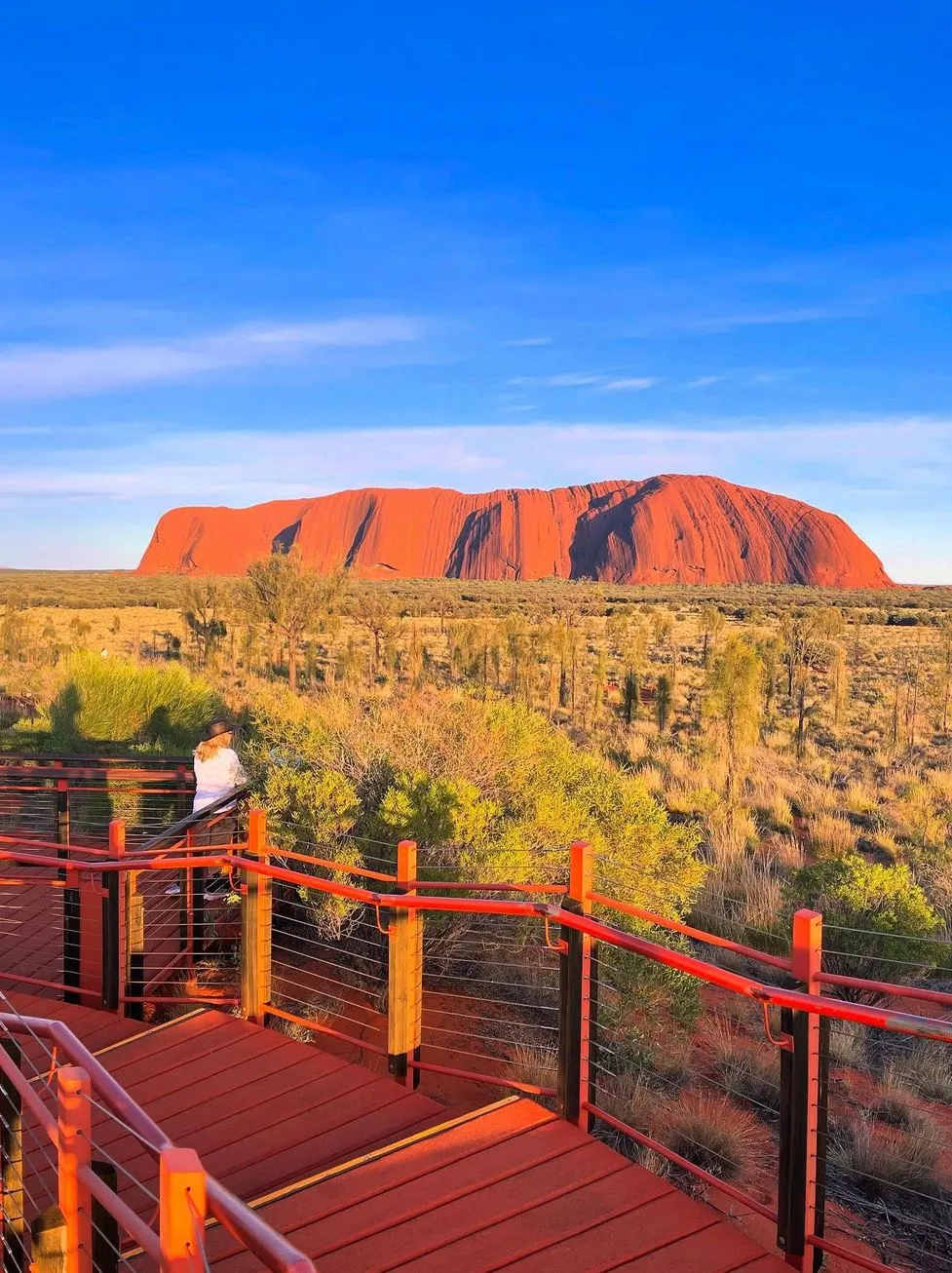
Before we lift off, expect to get the lowdown on the no-go zones. These places aren’t just random—they’ve been put in place to protect sensitive areas that are super important to Anangu culture. We take this stuff pretty seriously on our 4 Day Alice Springs Uluru Tour.
Of course, you’ll hear some people grumbling that these restrictions are limiting their “freedom to take photos”. I reckon it’s the opposite – it actually makes you think, slows you down to work out how to get a good shot. That’s real critical thinking, not just mindlessly snapping away on a holiday.
Can You Fly a Drone in National Parks?
No, you can’t. Not even if you try to work some magic – Parks Australia just don’t approve drone use inside Uluru-Kata Tjuta National Park. It’s all about showing respect for safety and for the place itself.
I’ve got this funny story that I like to share on our tours about a bloke who thought he could sneak his drone up from a homemade vehicle he’d built on the dunes 10 kilometres out. Within minutes, the air traffic control bloke had tracked him down and given him a fine big enough to buy a small chopper. The moral of the story is that some lessons aren’t really worth learning the hard way.
Timing Your Flight for the Best Light
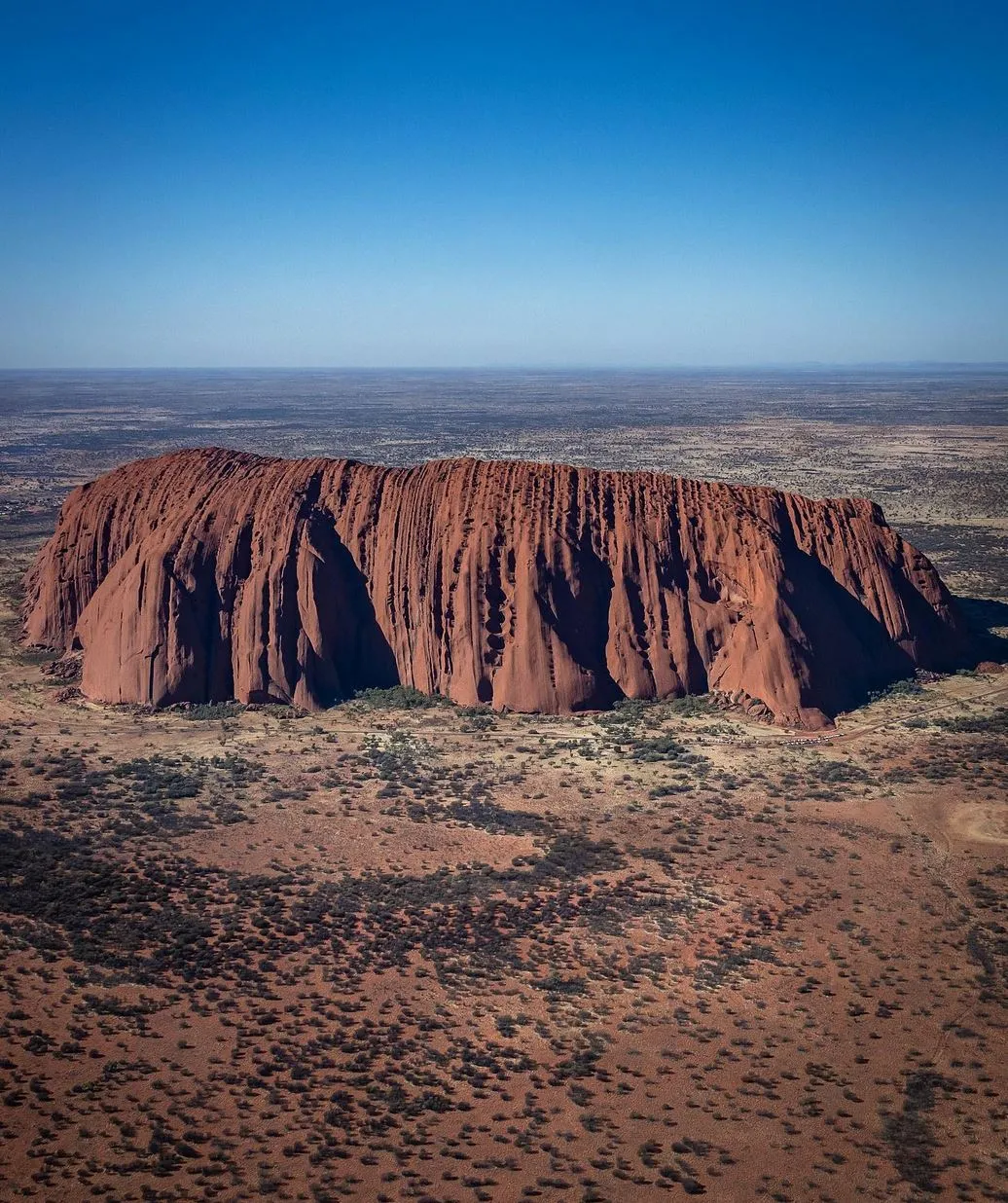
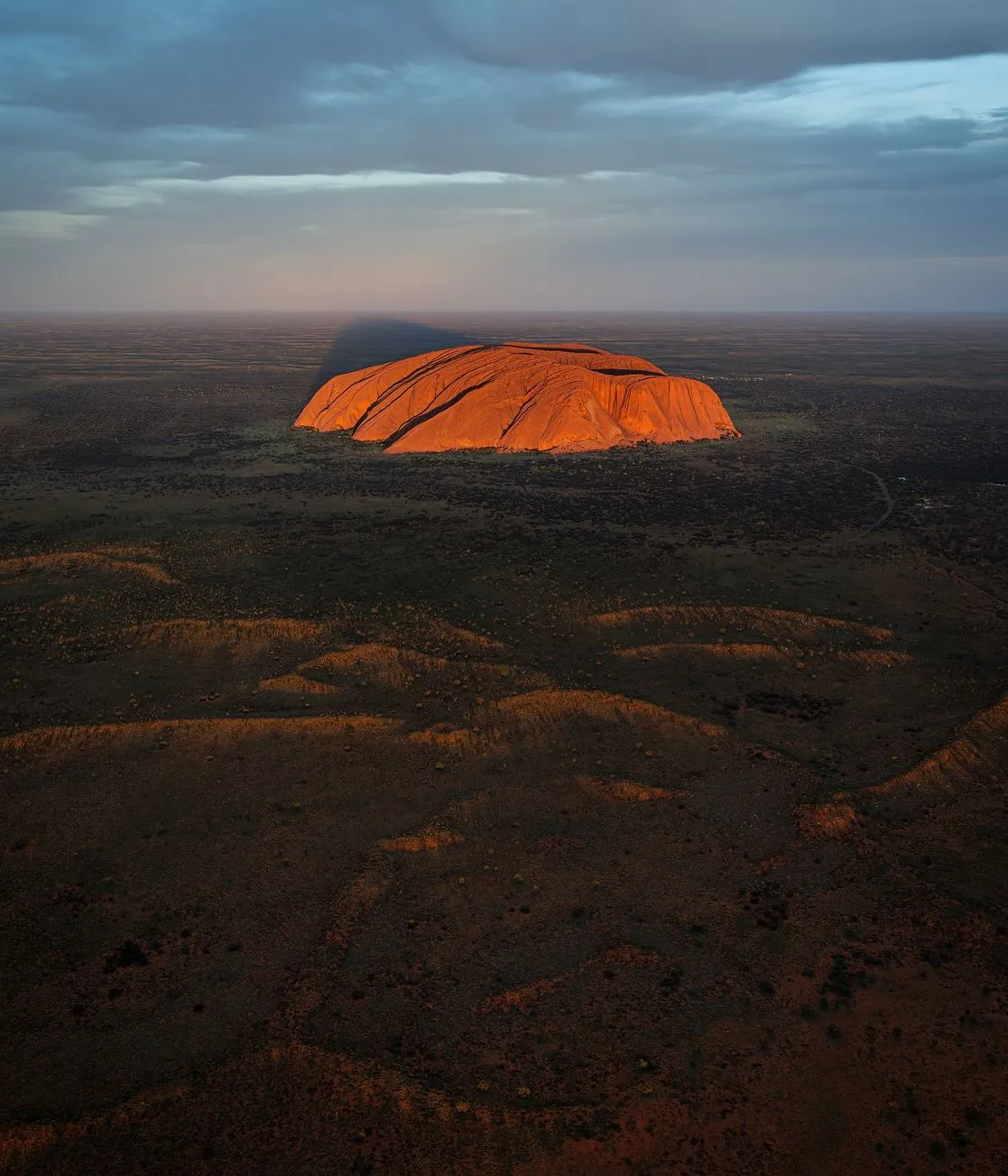
Desert light is a bit of a moody bugger – it’s like a grumpy artist before their morning cup of coffee. Mornings are soft and golden, afternoons are a fiery blaze of red and purple.
- Sunrise: the air is calm, the contrast is nice and gentle, and the mozzies aren’t too bad.
- Midday: forget about it – it’s like shooting through a bowl of soup, and the glare is so strong you can’t even see.
- Sunset: now we’re talking – it’s got that really rich look, but be prepared for a bumpy ride.
The guys at Uluru Ayers Rock Tours reckon that shooting at sunrise is the way to go for a good, clear view and a bit of peace. The dry season (May to September) is the best time because the skies are clear and the weather is a bit milder, offering longer horizons. Just remember to pack your camera and a bit of mobile data if you want to upload your snaps in real time – the reception out here is pretty patchy.
What the Numbers Say – About Our Tour
According to NT Tourism, about 30,000 people do one of these aerial tours with us every year. That’s roughly 10 per cent of all visitors to the park.
| Month | Avg Temp (°C) | Rainfall (mm) | Visibility | Flight Demand |
|---|---|---|---|---|
| Jan | 37 | 40 | Medium | Low |
| Apr | 31 | 15 | High | Moderate |
| Jul | 23 | 5 | Excellent | Peak |
| Oct | 33 | 18 | High | Moderate |
Even with those numbers, the desert never feels crowded — just vast. Unlike public transport in Sydney, there’s no timetable out here, only weather and willpower.
Packing Smart for the Sky
Space in a small aircraft is tighter than a dunny door in a cyclone. My go-to kit:
- Long-sleeve cotton shirt
- Polarised sunnies
- Camera + spare SD card
- Neck strap
- Half-litre water bottle
- Printed copy of your booking (in case the signal drops)
- Digital copy on your phone, too
- A calm stomach — or motion-sickness meds
These small touches save headaches. Good body language — calm, patient, considerate — also helps everyone relax, especially those tackling a bit of social anxiety about flying.
Small Talk in the Sky
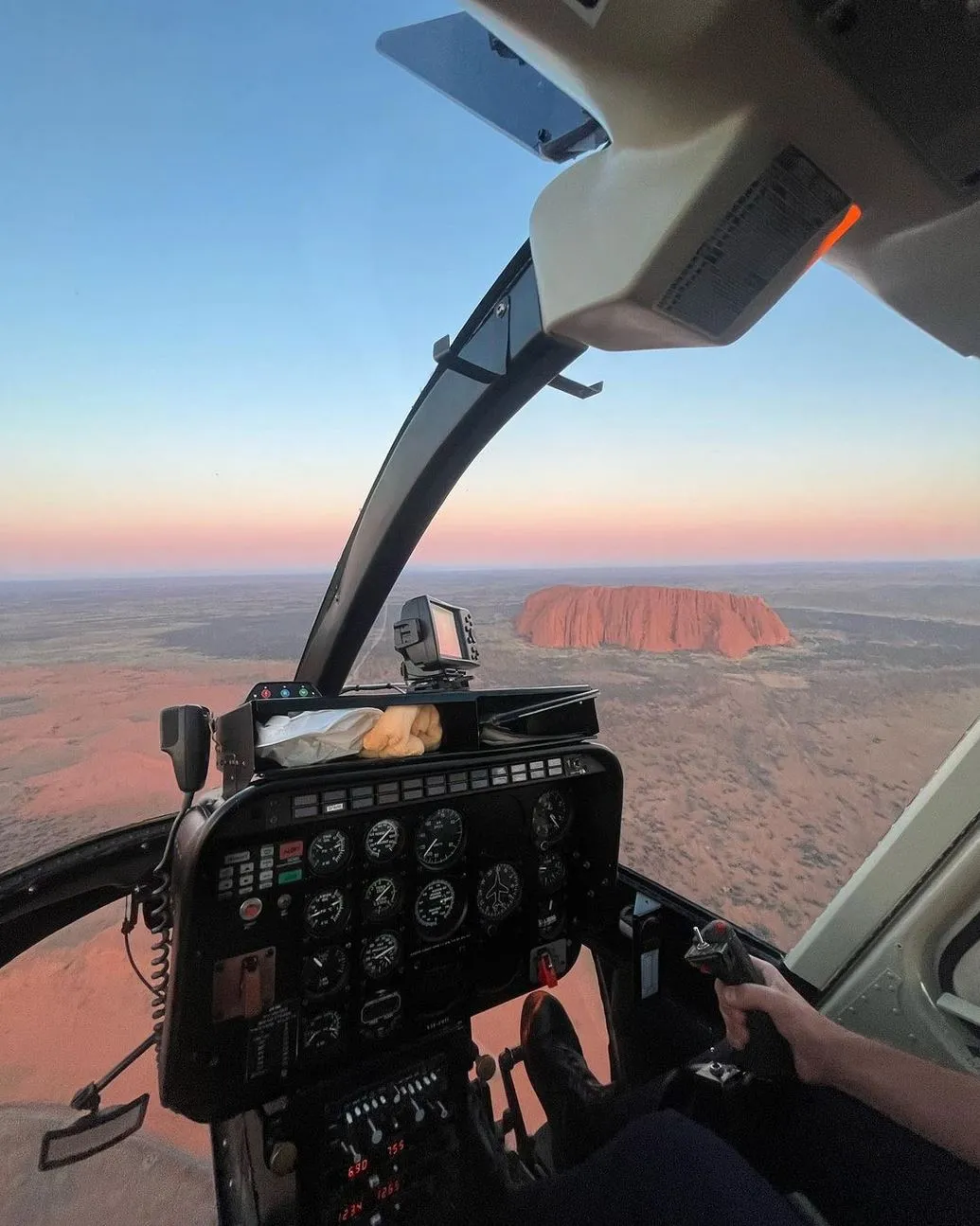
Out here, conversation flows differently. Instead of open-ended questions about work, you’ll hear “reckon that’s a storm or smoke?” and “how’s your camera battery?” It’s pure small talk Outback-style, the kind that builds connections quickly.
One traveller told me she joined a flight to push herself past anxiety after the Cultural Revolution of her own modern burnout. “I figured if I can face the desert sky,” she said, “I can face my inbox.” Sometimes the desert’s silence doubles as professional support — grounding you when modern life feels too loud.
Beyond the Lens: Respecting Country
Flying gives you perspective on more than geology. You see how stories link landforms, how ancient paths cross dunes like quiet rivers. It’s a reminder that travel isn’t about showing off on social media; it’s about listening — truly listening — to Country.
I once met an elder who compared visitors to hand line fishing. “If you pull too hard, you break the line,” he said. “If you’re patient, you catch understanding.” That’s wisdom worth more than any filter or drone shot.
What If Something Goes Wrong?
Every operator here runs regular safety drills — sort of like a desert obstacle course for pilots. They test radios, fuel lines and emergency protocols monthly. Pilots train in first aid and medical skills sharp enough to rival a clinic nurse. That’s why I always tell guests to check certifications before booking with anyone who isn’t accredited through Parks Australia.
On our 4-Day Alice Springs Uluru Tour, we brief travellers on safety and etiquette before even stepping on the tarmac. It’s not paranoia; it’s good practice.
Why It’s Worth It
You could study Uluru for years — through books, documentaries, maybe even a printed copy of a geology journal — and still miss what one 20-minute flight delivers. Seeing it framed by the desert expanse hits differently.
That feeling — call it connection, awe, maybe even the whisper of a ghost witch drifting across the plain — stays with you. And it’s that mix of rational curiosity and mystical wonder that defines the Australian Outback.
Final Takeaway: Sky, Story & the Art of Self-Awareness
Planning a trip to Uluru? Pick a season that suits, pack with a thought, and use a reputable operator. Don’t forget, you’re not just here to take in the views – you’re learning the culture, the history, and something about yourself, too.
At Uluru Ayers Rock Tours, we’ve got a 4-Day Alice Springs Uluru Tour that combines adventure, culture, and a healthy dose of self-reflection, with a wee bit of aerial time thrown in for good measure. The desert’s a pretty special place, but it only reveals its secrets to those who take the time to look – who can really listen, who keep their wits about them, and who might just pull out the guitar and have a sing-song under the stars.
Got an Uluru story or photo you’d like to share? Pop it in the comments below – I’m always collecting tales for our field notes.
FAQ
Are Drones allowed near Uluru?
No, sorry – drone use is banned in Uluru-Kata Tjuta National Park, unless you’re a commercial filmmaker who’s gone through the proper channels to get a permit.
What time of day does photography magic happen?
Sunrise is when the light’s lovely and the air’s calm – sunset, on the other hand, brings out the fiery colours, but it can get a bit bumpy.
Can I bring the kids along on aerial tours?
Most flights welcome kids over 3 years old, provided a grown-up’s coming along for the ride.
Will I get a signal on the plane?
Only a bit, to be honest. Save those maps and make sure you’ve got a digital copy of your ticket to hand.
How do I handle any nerves about flying?
Just take some deep breaths, focus on the horizon, and have a chat with your pilot – they’ll reassure you that everything’s going to be just fine.
 Bohdan-admin