
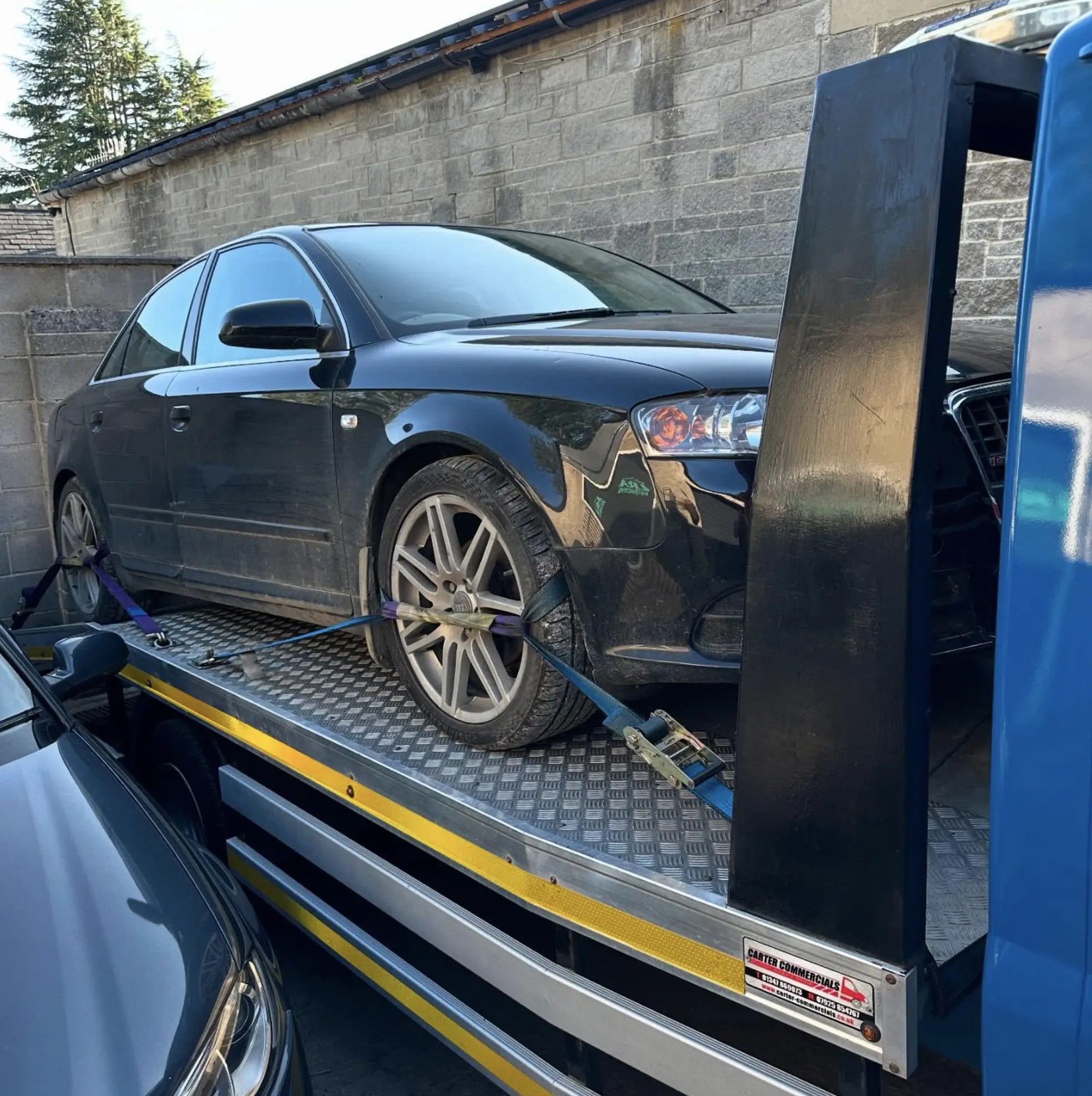
If you’re wondering what causes a car to be dead, properly cactus — you’re in the right spot. Let’s crack into what makes a vehicle go from “might be fixable” to “nah, time to call the wreckers.” We’ll cover the mechanical culprits, signs your car’s on its last legs, and what you can do (or not do) when it won’t turn over.
When a Car Just Won’t Budge
You press the ignition, and nothing happens. Not a cough, not a click, just silence — maybe a faint flicker on the dash if you’re lucky. We call that the moment of truth. It’s also the point where many Melbourne car owners pick up the phone and ask us: “Is this thing totally cooked?”
Here’s the truth — dead cars don’t always die of one cause. Like an old footy injury, it’s usually a mix of age, neglect, cold winter weather, and bad timing. Whether it’s been baking in the sun or flooded in a spring downpour, we’ve seen every kind of death a car can face.
Flat Battery or Something Deeper
If your car’s dead, the first thing to check is the car battery — no surprises there. A dead car battery is the number one culprit behind cars that won’t start, especially if it’s been sitting idle.
Causes of a flat battery:
- Leaving headlights or interior lights on overnight
- A faulty charging system or alternator belt
- Cold weather drains battery fluid levels
- Corroded battery terminals, battery posts, or loose battery connections
- Long-term battery drain from electrical problems or a bad engine control module
Pro tip: Try a jump start using jumper cables or a jump starter. If it starts and dies again, your charging system malfunctions or the starter motor could be the issue.
Starter or Switch Stuffed
You turn the key, hear a click, but no start? That could mean a dodgy starter relay, ignition switch, or starter motor — all common culprits in older or neglected cars.
Warning signs:
- One loud “click” but no engine crank
- Dashboard lights flicker or go dead
- The starter grinds or buzzes
- Intermittent power to the ignition coil or ignition relay
We had a Commodore in Frankston where the ignition barrel was so loose you could start it with a screwdriver. Worked fine… until it didn’t. And just the other week, we handled old car removals in Sandringham where the starter motor was so rusted it came out in pieces.
Fuel System Fails
Sometimes it’s not the spark, it’s the juice. If your fuel system isn’t delivering petrol where it should, the engine’s not going anywhere.
Common fuel issues:
- Dead fuel pump or clogged fuel filter
- Faulty fuel pump relay
- Buggered fuel injectors or fuel injection systems
- Fuel delivery problems linked to the engine management unit
If the engine cranks but won’t fire, your spark plugs are sparking, and there’s fuel in the tank, the problem could be fuel delivery related.
Blown Engine
This one’s a doozy. A blown car engine is the top reason for a car becoming unrepairable. Whether it’s overheated, seized, or had a flooded petrol engine, you’re looking at major damage.
Signs of a blown or seized engine:
- Loud knocking or ticking from the engine bay
- Thick white or blue smoke
- No compression in cylinders
- Oil in the coolant (or vice versa)
One time in Richmond, we picked up a hatchback where the driver tried to make it to Geelong without coolant. She didn’t make it past Sunshine. The internal engine failure warped the head, fried the gaskets, and cracked the block.
What Happened?
Let’s break it down in a handy table:
| Cause of Failure | Common Symptoms | Repair Cost Estimate |
|---|---|---|
| Flat Battery | No crank, lights dim or dead | $150 – $300 |
| Dead Starter Motor | Clicking noise, no start | $500 – $1,200 |
| Fuel Pump Failure | Cranks but won’t start | $600 – $1,000 |
| Blown Head Gasket | Overheating, white smoke | $1,500 – $3,000 |
| Engine Seizure | No crank, knocking, burnt smell | $2,000+ |
| Full Engine Replacement | Won’t run, severe internal damage | $3,500 – $7,000+ |
Note: These are local market prices for Melbourne based on 2025 trends. Your quotes may vary, especially for older vehicles or imports.
Should You Replace the Engine?
If your car’s suffered engine damage or engine knocking, you’re probably asking, “Should I replace the engine?”
Here’s a quick checklist:
- Is the car under 10 years old?
- Is the body and interior in decent nick?
- Does it have sentimental value?
If you answered “no” to all of the above, you’re better off calling Old Cars Removed. Full engine replacement can cost more than the car’s worth, especially once you factor in labour, alternator replacement, and other electrical repairs.
Trouble That Piles On
Sometimes it’s not just one part gone bust — it’s several. A blown engine might’ve also fried your starter relay, warped the heads, or damaged the fuel system. In older vehicles, a flat battery can even mask alternator issues.
Here’s how it snowballs:
- Battery goes → alternator fails → car dies mid-drive
- Fuel pump dies → engine runs lean → piston damage
- Overheating → head gasket blows → coolant and oil mix → engine failure
Once two or more systems go, the repair costs outweigh the car’s market value. That’s where we step in.
Rego, Ownership, and Paperwork Myths
Don’t stress if the rego’s expired, or if the car’s sitting in your uncle’s backyard under a tarp. VICRoads makes it surprisingly easy to deal with unregistered or written-off vehicles, especially when you’re scrapping them.
To sell or scrap a dead car in Vic:
- Proof of ownership (licence + matching address or signed sale receipt)
- VIN or engine number
- Cancelled rego (we can help with that)
- To lodge a vehicle transfer form — even if the car doesn’t run
We’ve handled cars from Moorabbin to Mernda, where the keys were lost and the paperwork was soggy from years of rain. Doesn’t faze us.
What Happens After It’s Towed?
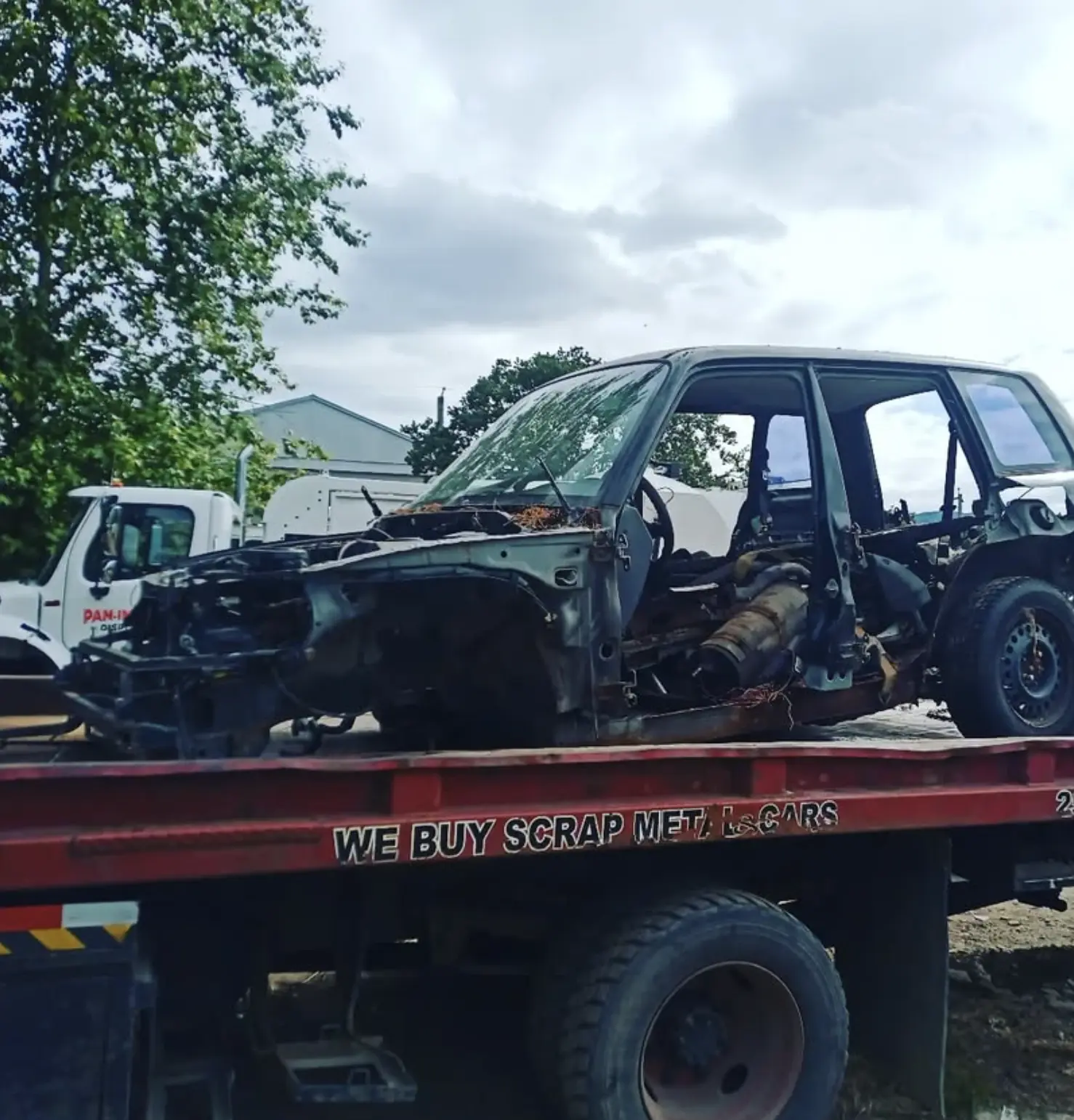
Dead cars don’t have to end up in a landfill. We strip every vehicle for reusable parts, recycle the metal, and follow all scrap metal and EPA Victoria guidelines.
Your car might be dead, but:
- The catalytic converter could fetch a good price
- The engine block may be salvageable
- Tyres, doors, and batteries like DieHard batteries can be reused or recycled
- We recycle battery acid, oil, and fluids responsibly with battery testing, battery recycling, or battery reconditioning chargers
- If usable, we’ll even fit a new car battery, battery tender, or recommend a battery blanket for cold-weather starts
Wrecker Time
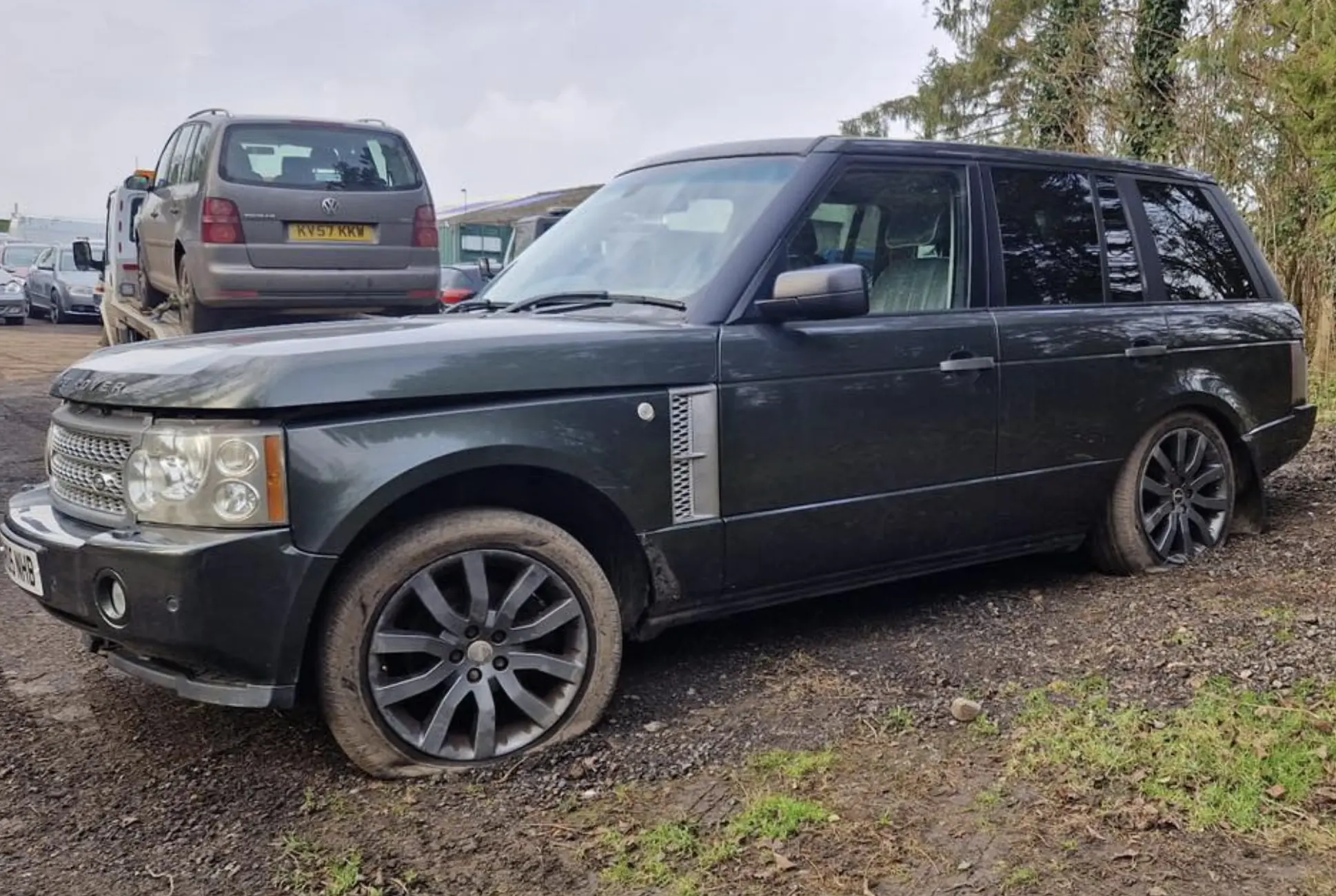
If you’re still reading, chances are your car’s on its last legs.
You know your car is cactus when:
- You’ve tried jump-starting it more than once
- The Check Engine light stays on (or won’t come on at all)
- Repairs cost more than the car’s worth
- You’re using it as a garden ornament
What we offer:
- Free old car removal Melbourne service (yep, suburbs too)
- Cash on the spot — even if it’s missing wheels or windows
- No rego? No dramas.
- Paperwork sorted. We’ll even send the claim reference number if needed.
Final Thoughts: Dead Doesn’t Mean Worthless
Whether it’s a dead car battery, engine failure, or complete charging system collapse, knowing what causes a car to be dead helps you decide what to do next. In most cases, trying to revive an old bomb is a waste of cash and time. Call it — and call us.
FAQ
How do I know if my engine is completely dead?
Look for no compression, metal shards in the oil, or the car refusing to crank even after a battery change. That’s usually a goner.
Can a flat battery make my car seem dead?
Absolutely. A flat battery can mimic a blown engine. But if you replace it and the car still won’t start, it’s likely something more serious — possibly your electrical system or ignition coil.
Is it worth replacing a blown engine?
Not usually. Unless the car has sentimental value or high resale potential, it’s often cheaper to scrap it and move on.
Do I need the rego papers to get rid of my car?
Nope. We just need proof of ownership — a licence, a receipt, or matching VIN. We handle all the red tape.
Can I still get cash for my dead car?
Yes. Even dead cars have value — in parts, metal, or as scrap. We’ll give you a cash offer based on the weight and condition.
 Bohdan-admin