
How do you know if a fine line tattoo artist is licensed? It’s a question I get asked all the time by new clients walking into Cosmetic Tattoo Studio Melbourne Face Figurati. And honestly? I love when people ask it. Because it shows you’re doing your homework—and when it comes to anything permanent on your face or body, that’s exactly the energy you want to bring. Tattoo studios should never be picked purely based on social media hype or a pretty portfolio. This is your face, not a test canvas.
Licensing Isn’t Optional
Tattooing isn’t just an art form—it’s a profession regulated under health regulations. In Victoria, all tattoo artists (yes, including those doing fine-line cosmetic tattoos and body art tattooing) must be registered with the local council. If they’re operating from a studio, the tattooing business itself also needs to be registered. This means they’re meeting hygiene and regulatory standards and are subject to inspection by local health authorities.
To legally tattoo in Victoria, artists must hold a Tattooist Licence or a tattoo operator licence. This includes an application fee and may require proof of training accreditation, especially for those performing cosmetic tattoo treatments. Australian citizens and permanent residents can apply online, while international tattooists may need a visitor permit to work at events or tattoo conventions.
The Red Flags to Watch Out For
Got a gut feeling something’s off? Trust it. Here’s what should set off alarm bells:
- No visible council certificate or Tattooist Licence
- Studio address keeps changing
- No proper consent forms or client health checklists
- No mention of infection control, healing time or aftercare
- Prices that seem too good to be true
You wouldn’t book a dentist on Gumtree. Don’t do it with tattoo art either.
What Real Licensing Looks Like in a Studio
At Cosmetic Tattoo Studio Melbourne Face Figurati, we display our council registration proudly—and so should any reputable fine line tattoo artist. But don’t stop there. Ask to see it. A professional won’t be offended; they’ll appreciate your due diligence. Check that their Tattooist Licence is:
- Current
- Covers the type of service you’re getting (cosmetic tattoo vs body art)
- Registered under their legal or trading name
Pro tip: If the artist works mobile or from home, extra scrutiny is needed. Home setups can be compliant, but they need specific council approval and a hygienic layout that meets industry standards.
Questions You Should Ask (No, It’s Not Rude)
You’re allowed—no, encouraged—to ask questions before you commit. Here are a few that should be answered easily:
- Are you registered with the local council?
- Where is your studio based, and is it inspected?
- How do you ensure hygiene, infection control and sterilisation?
- What type of pigments, tattoo machines and tools do you use?
If an artist gets defensive, vague or dismissive? Walk.
Cosmetic Tattooing Is a YMYL Topic—Here’s Why That Matters
In Google’s search quality guidelines, anything that affects your health, safety or financial wellbeing is considered “Your Money or Your Life (YMYL).” Cosmetic tattooing absolutely falls into this category. That means content about it (like this!) must be created with high levels of expertise, experience, authority and trustworthiness.
So when choosing your artist, you need those same standards. You’re trusting them with your skin, your face and your healing process—aspects of tattooing that directly affect your wellbeing.
Safety, Skill and Stability
Beyond the paperwork, a licensed artist brings:
- Infection control training
- Reliable aftercare instructions
- A predictable, sterile studio setup
- Liability insurance (in case anything goes wrong)
All of which add up to something priceless: peace of mind.
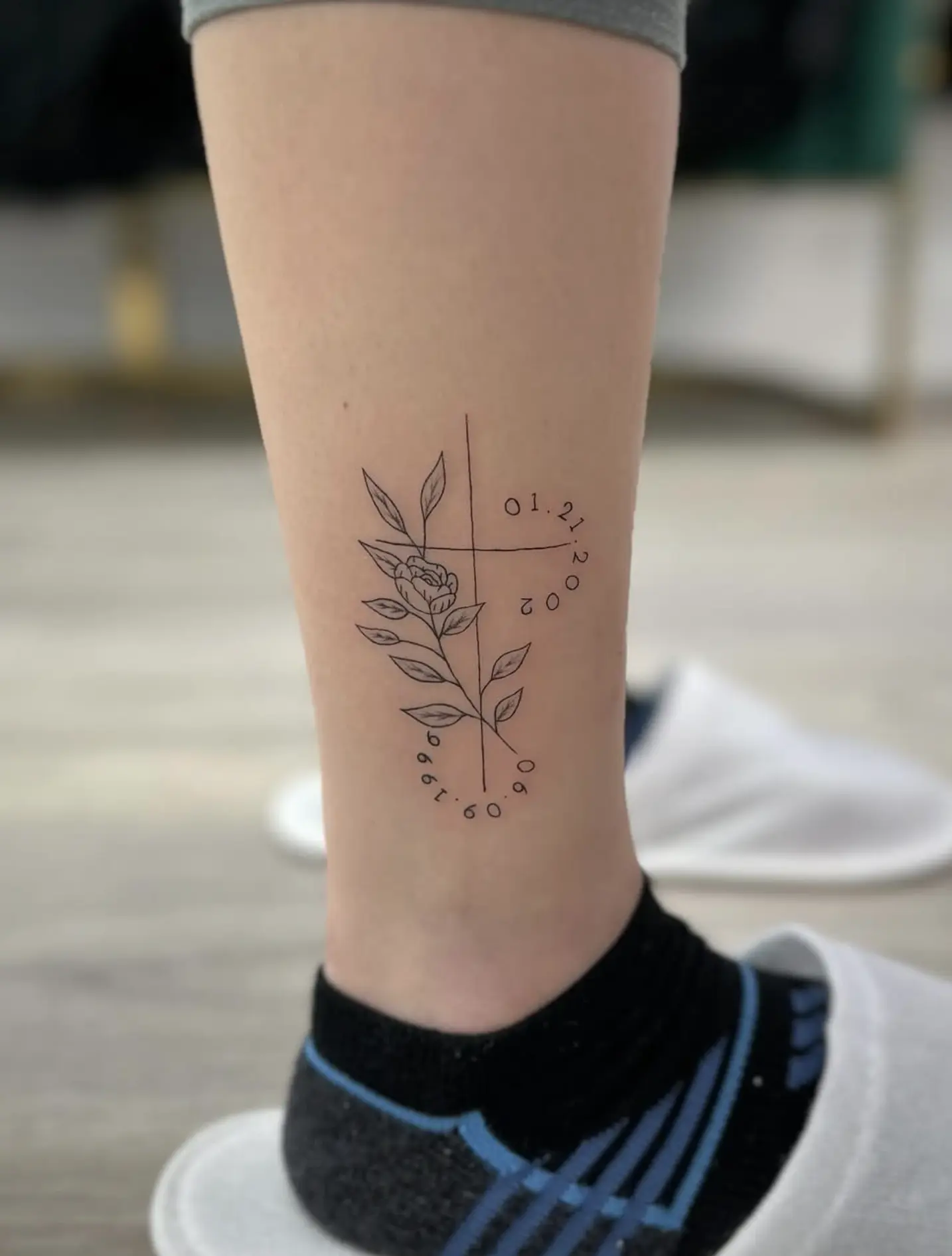
Table: Licensed vs Unlicensed Tattoo Artist Comparison
| Feature | Licensed Artist | Unlicensed Artist |
|---|---|---|
| Council registration | Yes | No / Unknown |
| Hygiene standards | Adheres to strict guidelines | No formal accountability |
| Studio inspections | Regular checks by health authorities | Rare or non-existent |
| Pigment & tool quality | High-grade, traceable, regulated | May use low-cost or unverified products |
| Insurance | Public liability & treatment risk cover | Typically not insured |
| Documentation & consent | Detailed forms, health screening, aftercare | Often skipped or poorly done |
Real Stories From the Studio: Why It Matters
I had a client come in after getting fine line work from an “Instagram artist” who did it from their kitchen. No consent forms, no aftercare, and no idea what pigment was used. The result? A patchy, swollen mess that required 3 correction sessions. That client spent more fixing the mistake than she would have investing in a licensed professional upfront. Always choose a fine line tattoo artist who can bring your vision to life safely.
Industry Stats That Might Surprise You
According to 2025 reports from the Australian Health Department:
- 38% of tattoo-related complaints involve unregistered home setups.
- 72% of corrective cosmetic tattoo procedures are linked to poor hygiene or substandard pigment.
- Council-registered studios are 5x less likely to have client-reported complications.
Licensing isn’t just red tape. It saves skin—literally.
Final Thought
If there’s one thing I hope you take away from this guide, it’s that asking “How can you tell if a fine line tattoo artist is licensed?” is not just okay—it’s smart. Whether you’re getting brows, lips or a delicate beauty mark, your skin deserves safety and skill.
At Cosmetic Tattoo Studio Melbourne Face Figurati, we also attend tattoo events and tattoo conventions to keep our craft sharp. We create custom designs, black and grey realism, traditional Japanese, floral design or vibrant colour tattoos. We use expert shading techniques and cater to every skin type.
Still unsure who to trust? Contact Cosmetic Tattoo Studio Melbourne Face Figurati. I’m Olha Po, and I’m always happy to help you feel confident about your cosmetic tattoo journey—whether you’re just starting or building a tattoo career through training at places like the Institute of Ink. The tattoo industry thrives when everyone holds high standards—and that starts with you asking the right questions during the booking process and expecting outstanding customer service for every piece of art you wear forever, or even your permanent jewellery.
FAQ
Is cosmetic tattooing regulated the same as body tattooing?
Yes, in Victoria, both are regulated by public health. The artist and the premises must be registered.
Can I report an unlicensed tattoo artist?
Yes. Contact your local council. They can investigate and issue warnings, fines or closures.
Are mobile or home-based tattoo artists always dodgy?
Not always, but they must be council-approved. Ask to see their certificate and make sure their setup is clean.
Does licensing affect pigment quality?
Yes—licensed artists are more likely to use approved, safe pigments that meet Australian standards.
What if I’ve already had work done by someone unlicensed?
If you’re having issues, come see us. We offer correction consultations at Cosmetic Tattoo Studio Melbourne Face Figurati.
 William Wilson