
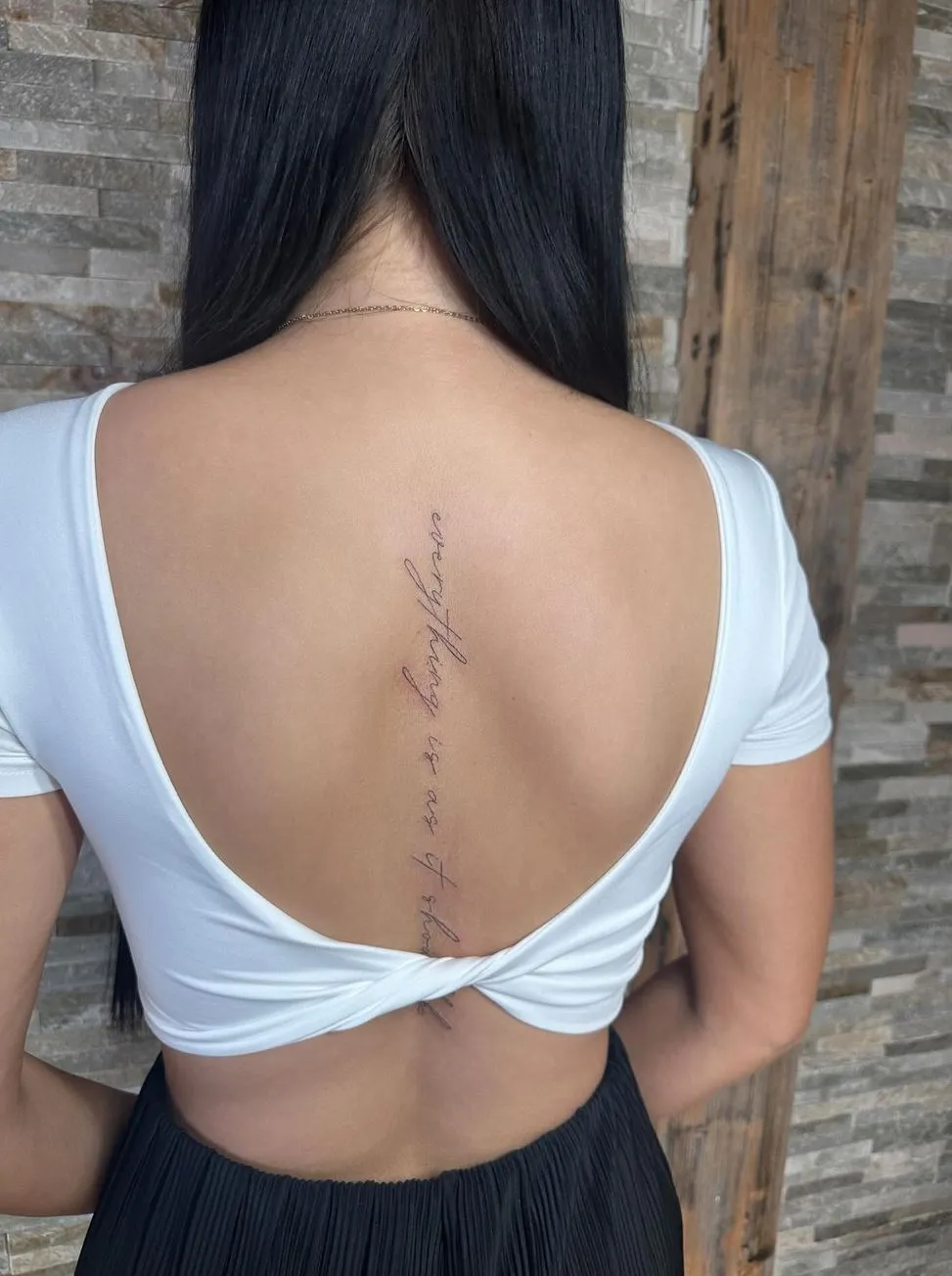
In the first 50 characters of this guide, I’ll answer your big question: Can I take a fine line tattoo course if I’m already a PMU artist? Yes, you absolutely can — and if you ask me, you probably should. I’m Olha Po, and after nearly a decade of hands-on work in cosmetic tattooing at my Melbourne studio, Cosmetic Tattoo Studio Melbourne Face Figurati, I’ve seen more and more PMU artists branch into the booming fine line space. And it makes sense. The skill overlap is real, the demand for delicate tattoos and tiny tattoos is hot, and it’s an exciting way to expand your professional skills without starting from scratch.
You Already Have the Tools — and the Hands
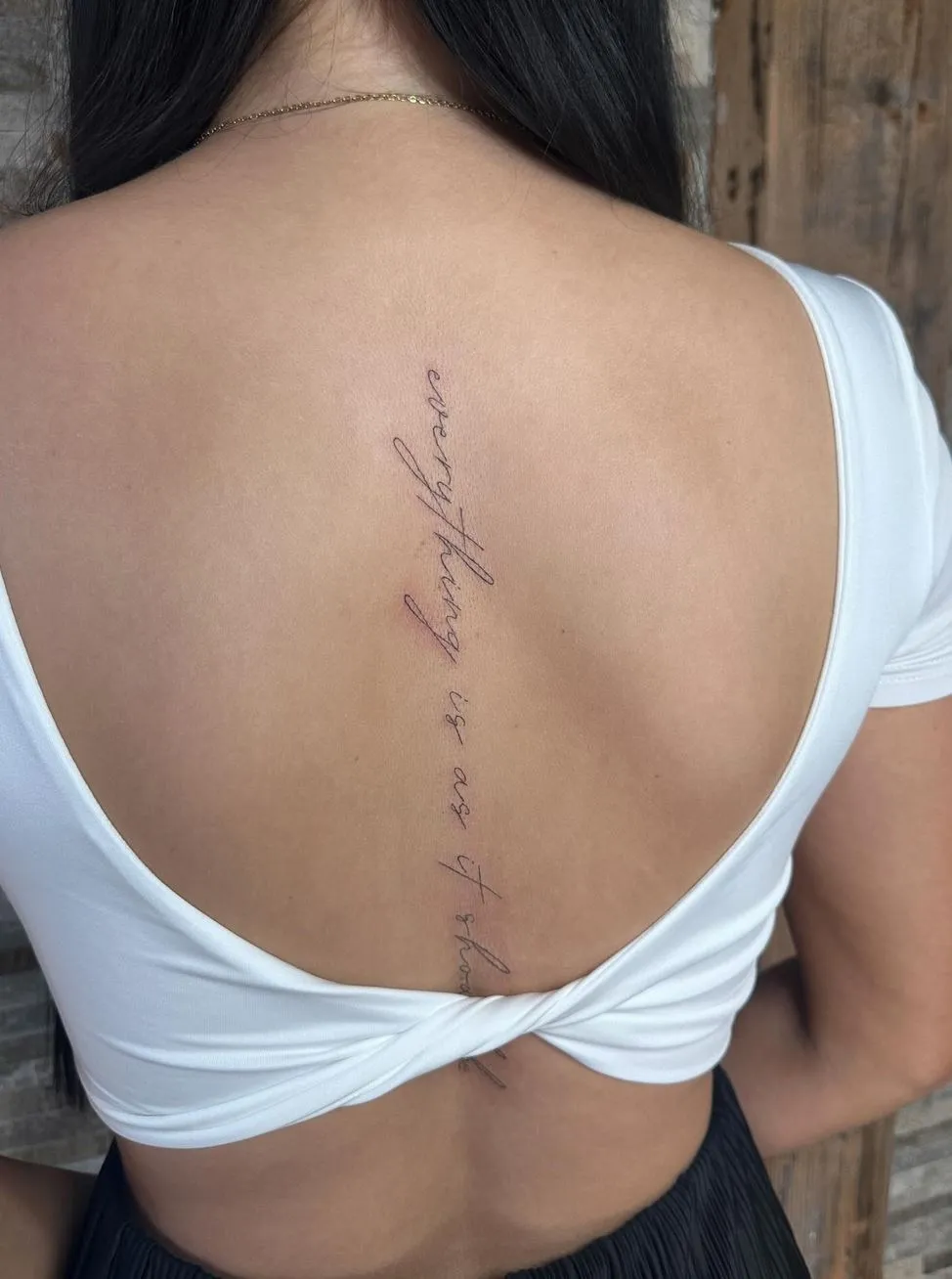
Fine line tattooing might look new on Instagram, but the truth is, PMU artists have been working with delicate lines, ultra-fine needles and facial skin forever. If you can confidently tattoo crisp hair strokes or tight eyeliner wings, you’re already halfway there. That steady hand, skin-depth control and pigment knowledge? Huge assets to your existing skill set.
I’ve trained several tattoo artists who came from a cosmetic tattooing background, and they often pick up fine-line tattoo techniques much faster than total beginners. The learning curve flattens when your muscle memory is already trained to work slowly, precisely and with care.
Cosmetic vs Traditional Tattooing
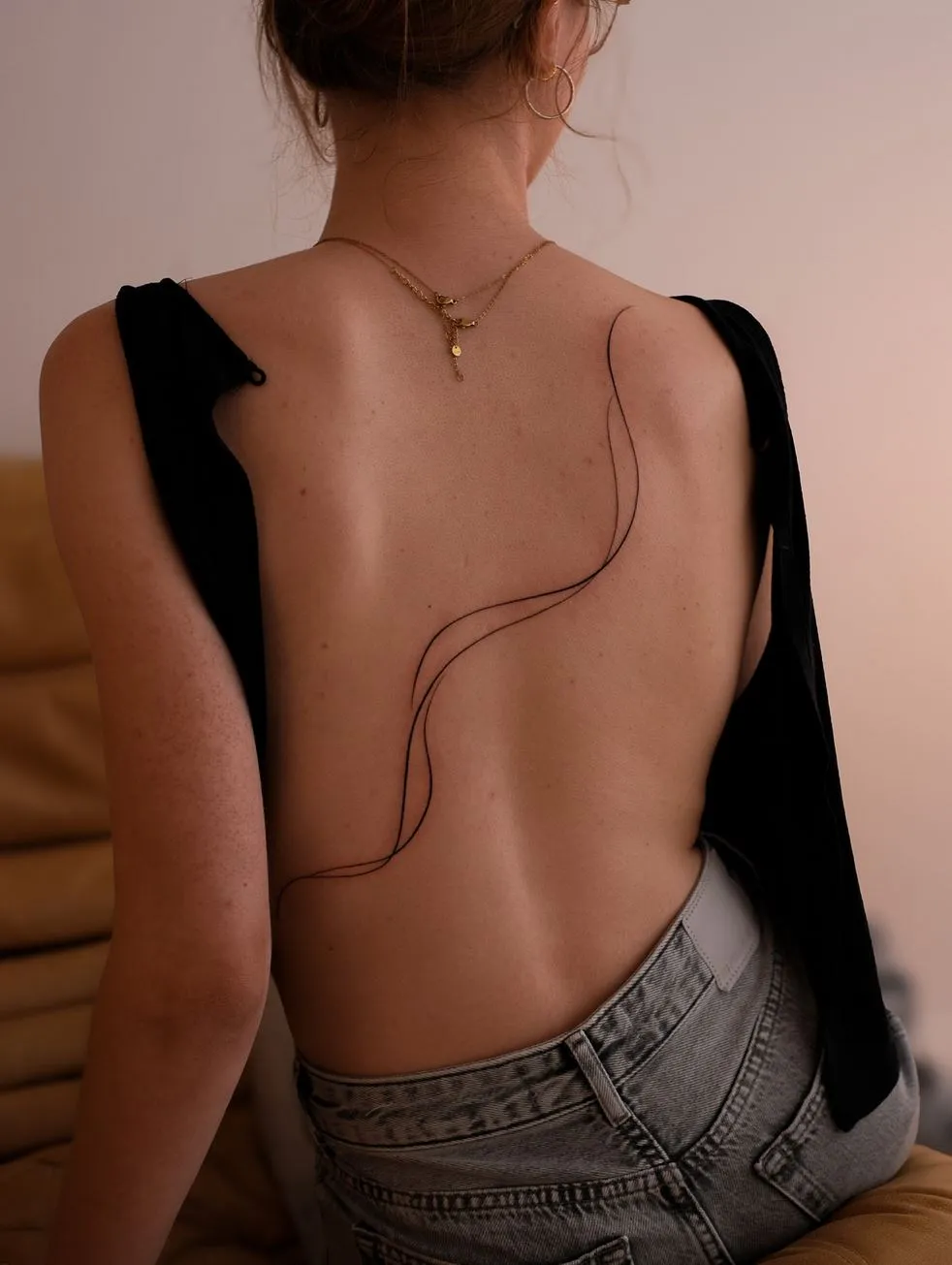
That said, PMU and fine line are still different beasts in a few ways. One focuses on enhancement, the other on expression. Cosmetic tattooing is confined to the face, using hypoallergenic pigments designed to fade gracefully. Fine line is body art. It uses carbon-based inks, targets deeper skin layers and leans into permanence.
| Feature | PMU (Cosmetic Tattoo) | Fine Line Tattoo |
|---|---|---|
| Pigment Type | Iron oxide/organic pigments | Carbon-based tattoo ink |
| Longevity | 1-5 years (semi-permanent) | Lifetime/permanent |
| Skin Depth | Upper dermis | Mid to deep dermis |
| Common Tools | Digital PMU machine | Coil/rotary tattoo machine |
| Areas of Focus | Brows, lips, eyeliner | Arms, ribs, back, etc. |
| Licensing Requirements | Varies by state/council | Regulated by the local health department |
Yes, You Need a New Licence
Here in Victoria, cosmetic tattooing and body art fall under different categories. Even if you’re a seasoned PMU artist, switching to body tattoos means you’ll need to meet local health department rules. That includes:
- Applying for a body art tattooist licence
- Meeting council requirements for proper hygiene and infection control
- Completing bloodborne pathogens training and holding a valid first-aid certificate
At Cosmetic Tattoo Studio Melbourne Face Figurati, we help our students understand the full licensing process and how to transition legally and safely. If you’re unsure, always check with your local council — requirements can shift depending on your postcode.
You’ll Learn to Think Beyond Beauty
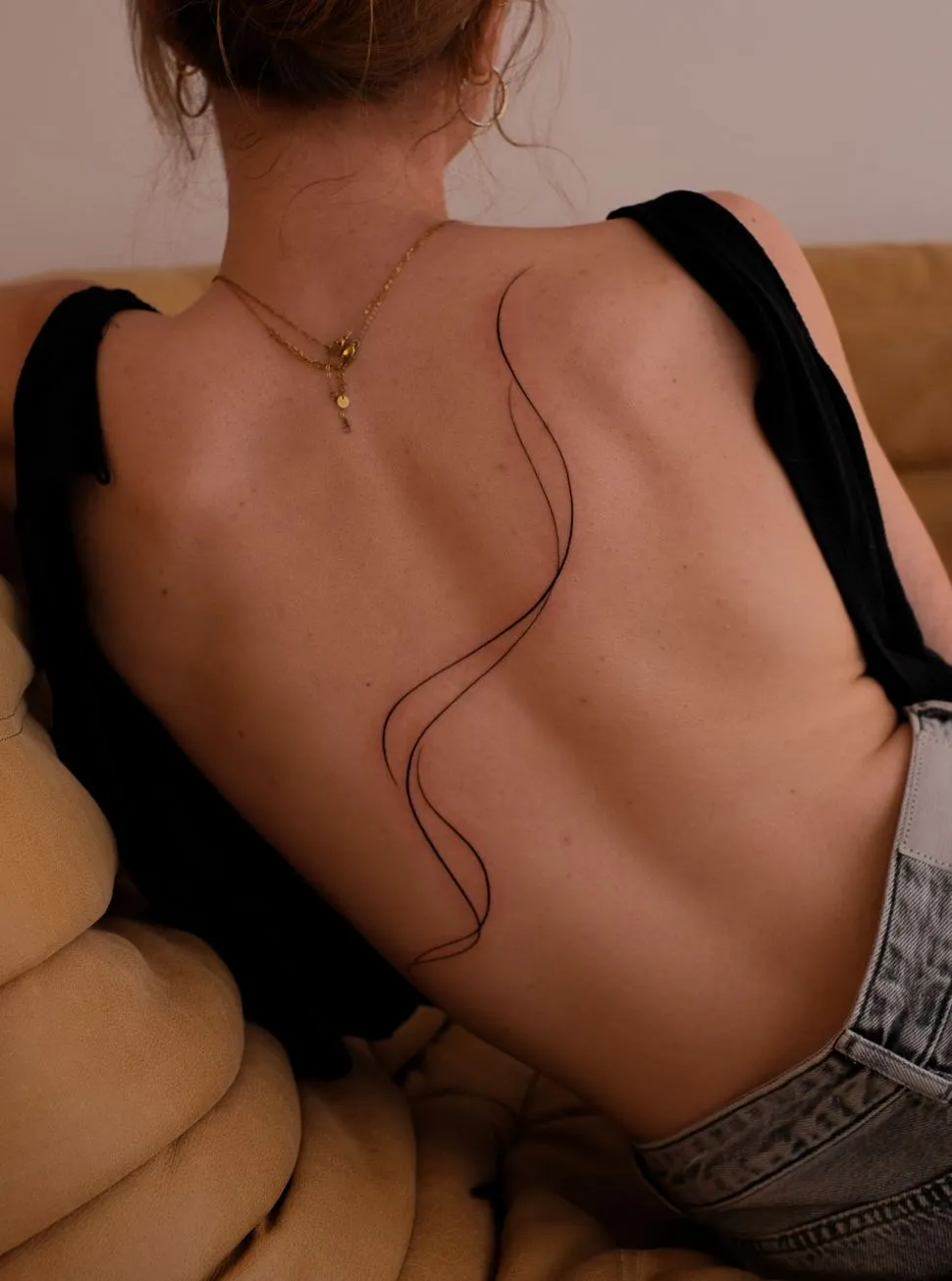
Fine line tattooing pulls from a different side of your creativity. Instead of enhancing features like eyebrow tattooing or lip blush, you’re translating stories onto skin. The designs might look simple — a name, date, flower, or phrase — but getting them clean, symmetrical and emotionally resonant is an art form in itself.
PMU artists often find the design freedom refreshing. No more strict symmetry guides or pigment matching. You get to play more with:
- Freehand Drawing designs
- Stylised line weights
- Placement on dynamic body parts
- Creative flow that suits the client’s narrative, not just their bone structure
And if you’re a tech-savvy artist, exploring digital design software and digital design programs can give you an extra edge in stencil creation and previewing.
What Tattoo Courses Should Teach
Let’s be clear: not all courses are created equal. If you’re already a cosmetic tattooist, you don’t need a week-long basics course that starts with “what is a needle.” You need training that respects your foundation and helps you build on it. Look for accredited training or online courses that cover:
- Tattoo machine handling: coil vs. rotary vs. PMU pen
- Ink types and how they behave in different skin layers
- Depth control for body areas vs. facial zones
- Needle types, needle techniques, machine settings, machine angles, machine options
- Ink cups, stencil placement and using a Thermal printer
- Healing and aftercare differences
- Consultation forms, treatment menu structuring and pricing strategies
- Insurance, licensing and infection control for body tattooing
- Practical supervised sessions on synthetic skin and real models
At Cosmetic Tattoo Studio Melbourne Face Figurati, we have a fine line tattoo course for experienced PMU artists. Online training and hands-on workshops.
Healing and Aftercare Look Different
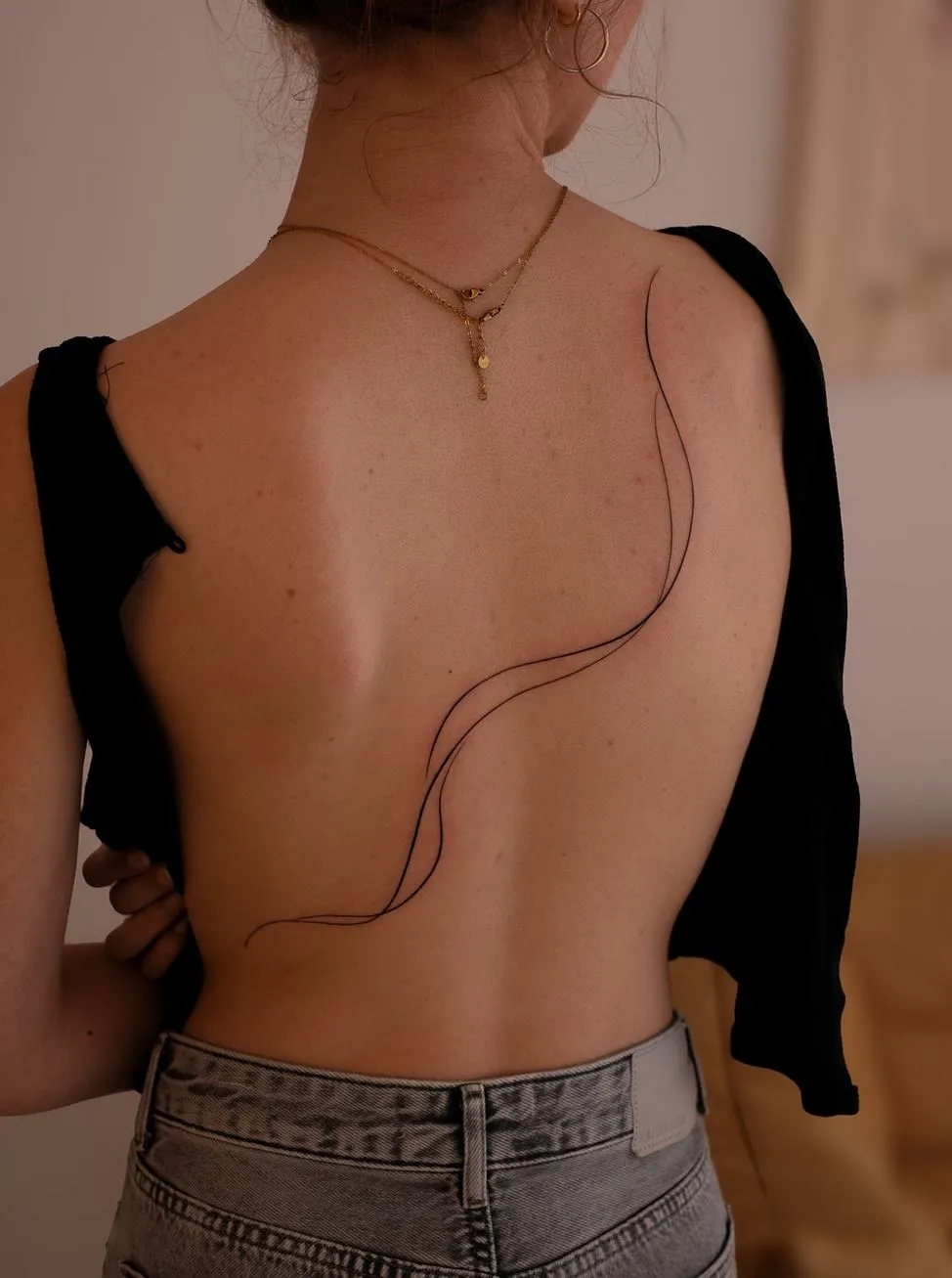
This is one of the biggest surprises for cosmetic tattooists. Facial skin heals differently from body skin. Brows and lips tend to flake gently. But ribcage tattoos? They might scab, swell, or stay tender for longer. Aftercare must be tweaked.
Here’s what you can expect:
- Healing time: 10-14 days (vs. 7 days for most PMU)
- Initial redness and swelling may be more intense
- Thicker scabbing is common
- Clients might need reminders to avoid tight clothing, sweat, or friction
You must educate clients properly to avoid blowouts, infections or ink loss. That’s why we spend a good chunk of time on health and safety, healing protocols and post-tattoo care in our training.
It Can Boost Your Bookings (and Creativity)
Let’s be real: the brow market in Melbourne is saturated. Beautiful work still matters, but clients are spoiled for choice. Adding fine-line tattoos to your service menu gives you a whole new audience. Think:
- Couples wanting matching wrist tattoos
- New mums after a delicate birthdate scripts
- Clients asking for memorial tattoos after loss
- Younger clients seeking minimalist ink that feels fashion-forward
One of my favourite examples? A client booked lip blush and then came back a month later for a single needle tattoo on her collarbone of her grandmother’s handwriting. Same client, new service, deeper bond.
It also opens up more revenue streams through requested services that go beyond brows, eyeliner tattoos or lips.
Is It Worth the Investment?
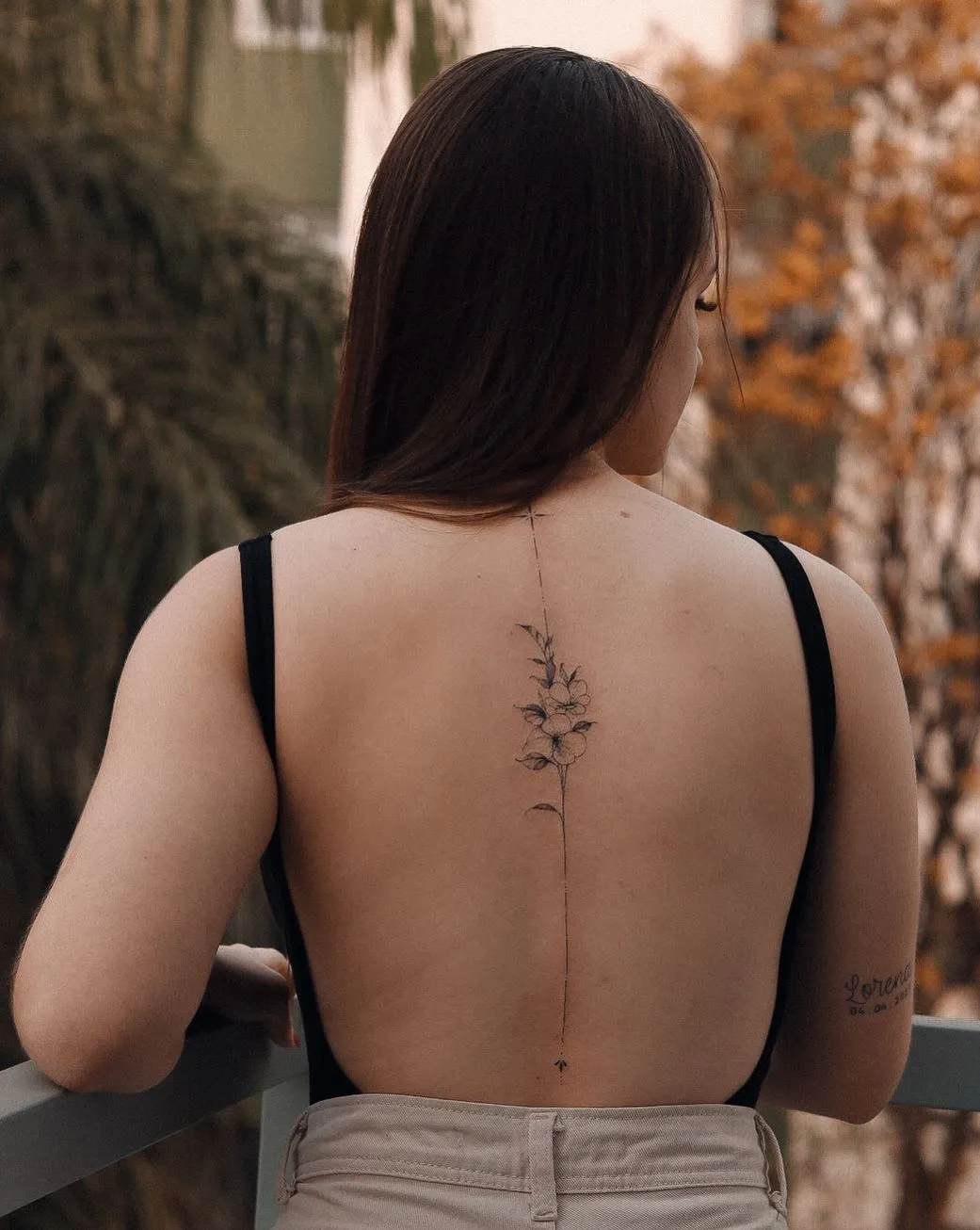
Absolutely — if you’re strategic. A quality fine line course in Melbourne can range from $2,000 to $4,500. But you can easily recoup that within 10-15 bookings if your pricing sits around $200-$300 per piece. Here’s a quick breakdown:
| Expense | Estimate (AUD) |
|---|---|
| Fine line course (advanced) | $3,200 |
| Tattoo machine & ink setup | $1,800 |
| Council licensing & paperwork | $400 |
| Total Start-up Cost | $5,400 |
ROI:
15 tattoos @ $250 = $3,750
30 tattoos = $7,500
If you’re already getting brow clients, cross-promoting fine line work through social media and in-studio consultation forms makes it even easier to fill your calendar.
Final Thoughts From Olha Po
You don’t have to choose between cosmetic tattooing and fine line — you can do both. And if you’re asking, “Can I take a fine line tattoo course if I’m already a PMU artist?” the answer isn’t just yes. It’s what you should. With the right training, insight into industry standards, and tools, you’re set to expand your skills, diversify your income and reconnect with the art of creating.
Still have questions about our fine line tattoo course, online courses, in-person training or industry insights? Reach out to me at Cosmetic Tattoo Studio Melbourne Face Figurati — I’m always happy to chat.
FAQ
Can I use my current PMU machine for fine-line tattoos?
No. Most PMU machines aren’t powerful enough for body tattoos. You’ll need a rotary or coil tattoo machine designed for deeper skin layers and consistent linework.
What licence do I need for fine line tattooing in Melbourne?
You’ll need a body art licence issued by your local health department, even if you’re already licensed for cosmetic tattooing. Requirements include hygiene training and a first-aid certificate.
How is a fine line tattoo course different from PMU training?
A fine line course covers body-focused skills like stencil placement, machine angles, skin-depth control, ink types and proper healing protocols — which are not typically covered in PMU training.
Are fine-line tattoos in demand in Melbourne?
Yes. There’s growing demand for minimalist, single-needle tattoos — especially among younger clients looking for personal and stylish designs.
 Bohdan-admin