
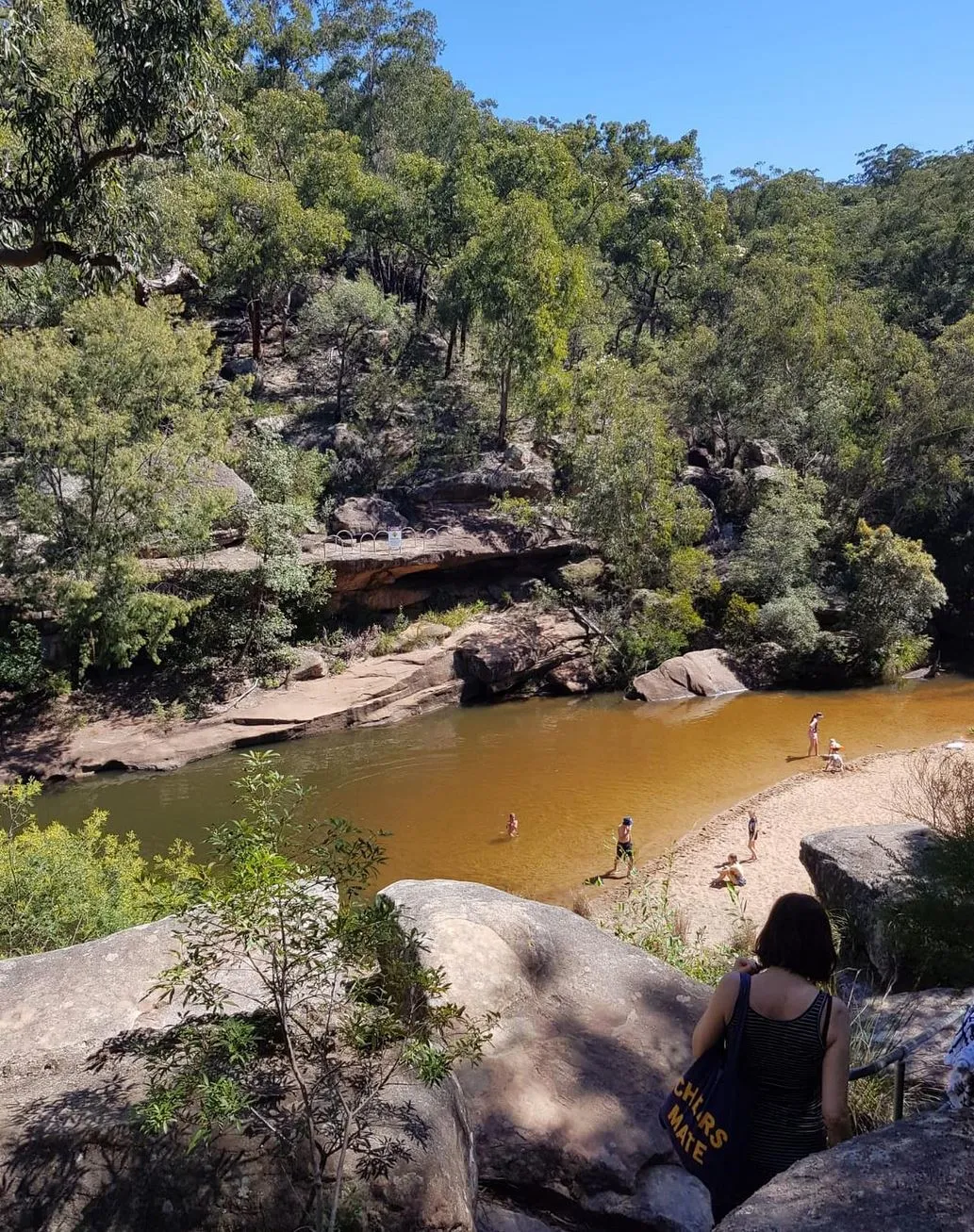
You can highlight more than one word per text and keywords: The phrase “Secret Swimming Spots in the Blue Mountains that Locals Keep Under Their Hats ” might sound like a wild yarn – but I’m dead serious, they exist.
I’ve spent way too many years hiking, camping & generally getting completely soaked out here in the Blue Mountains – and even I still stumble across places that are barely a whisper on the tourist radar. Forget the crowds at Wentworth Falls, stuffed on to tour buses, & you’ll be trudging along packed trails like a sheep in a paddock – this guide is all about finding that peaceful corner where you can drop your pack, peel off your boots & actually take a refreshing dip. If you’ve done a Blue Mountains Tour, you’ll know there’s heaps more to this place than what you find on postcards.
The Real Story Behind This Breathtaking Region
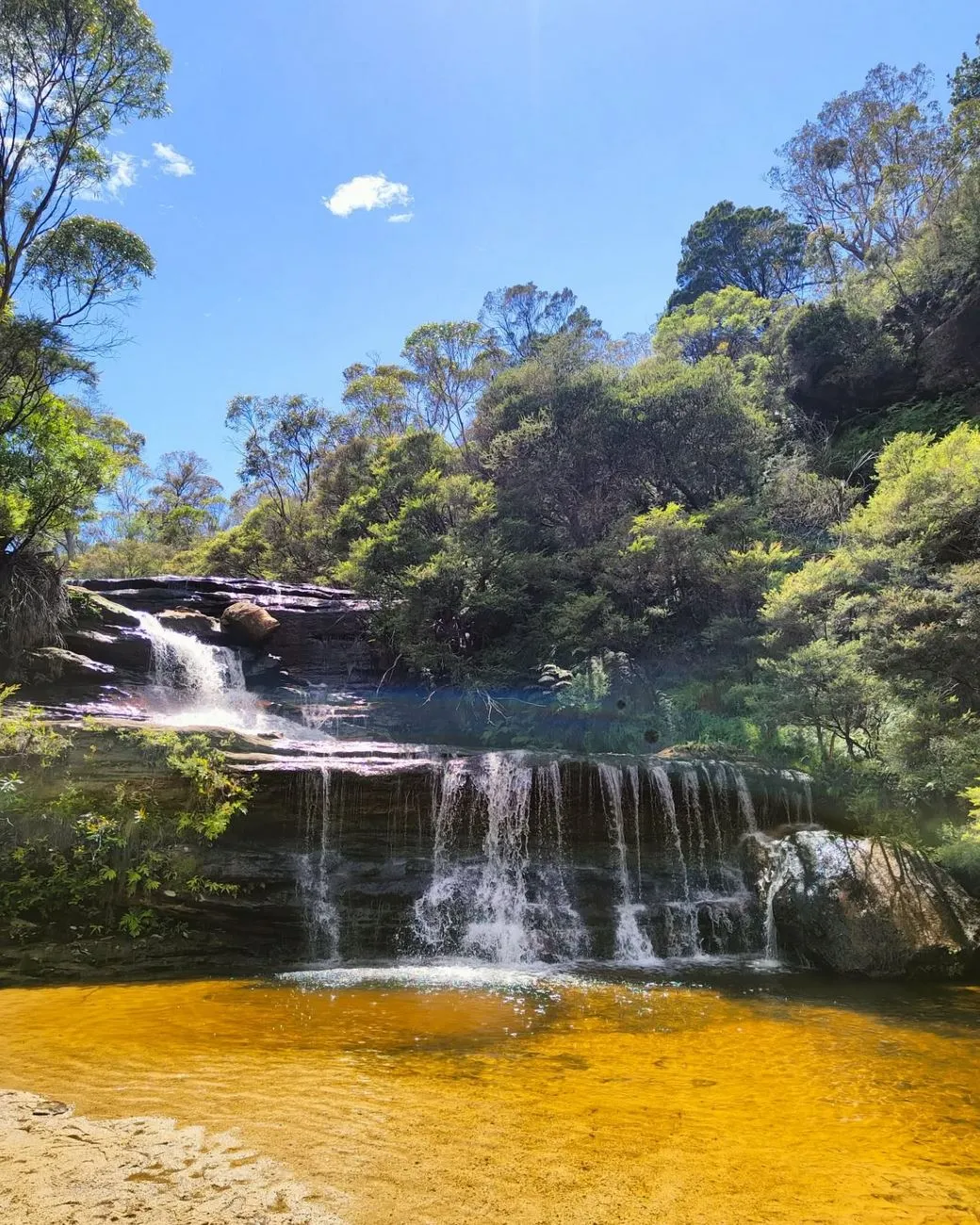
Just west of Sydney, the Blue Mountains get sold as all misty eucalyptus & clifftop views. That’s the tip of the iceberg. Scratch a little deeper (take a slightly longer hike) & you’ll find a whole lot more than that – little valley networks, lush fern gullies & rock formations that have been the locals’ secret summer cool-down spots for generations.
Each of these swimming spots is like a piece of history & has its own character – from icy waterfalls that’ll jolt you awake faster than a red-eye & a double shot of espresso to sandstone-lined lagoons that’ll make you feel like time has actually come to a standstill.
According to NSW National Parks data, visitor numbers to the Blue Mountains National Park have reached stratospheric levels, over 4.8 million a year – but less than 5% of those visitors bother to stray from the beaten path. That’s the first clue that there’s still a fair bit of unexplored quiet water out there waiting to be found. If you’ve been on a bushwalk with a Blue Mountains Tour group, you’ll know just how easy it is to miss these spots even with a guide, if you don’t have the inside run of local knowledge
The Hidden Cascade at Jellybean Pool, Glenbrook
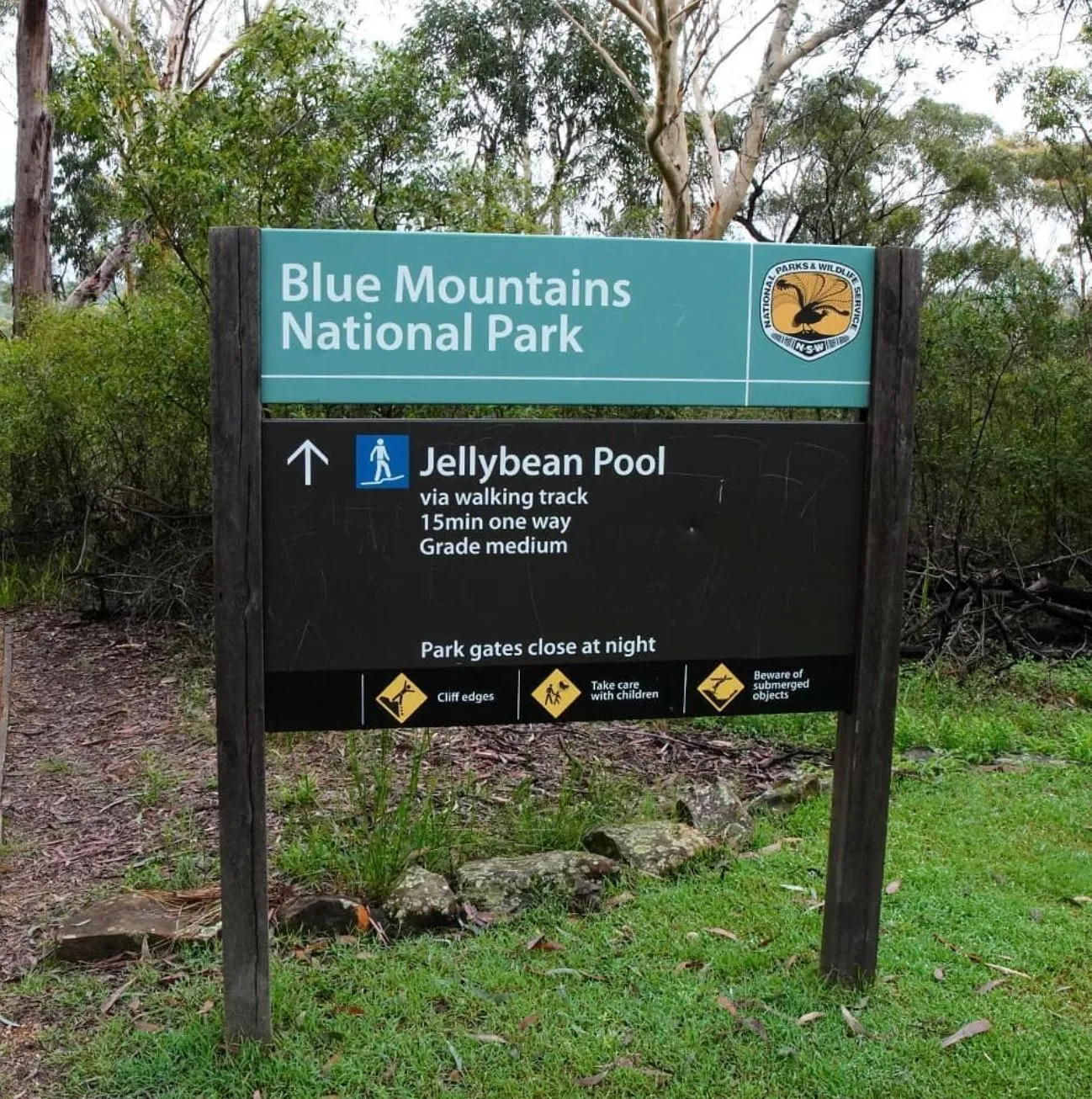
The name’s a giveaway, but Jellybean Pool isn’t the whole story. Most tourists stop at the first pool, snap a selfie, and head back to their air-conditioned cars. The real secret is further upstream, where smaller cascades trickle through shaded rock corridors.
Here are a few local tips:
- head up early, especially mid-week, and you’ll have the entire bend of the creek to yourself.
- Pack reef shoes — the sandstone can be slicker than a greased billy lid — and keep an eye out for lyrebirds scratching through the undergrowth.
Access: Easy 10-minute walk from Glenbrook Creek car park
Best Season: Late spring to early autumn
Facilities: Basic toilets near entry, no bins — pack out what you bring
Bowen’s Creek Canyon – The Bushwalker’s Bathhouse
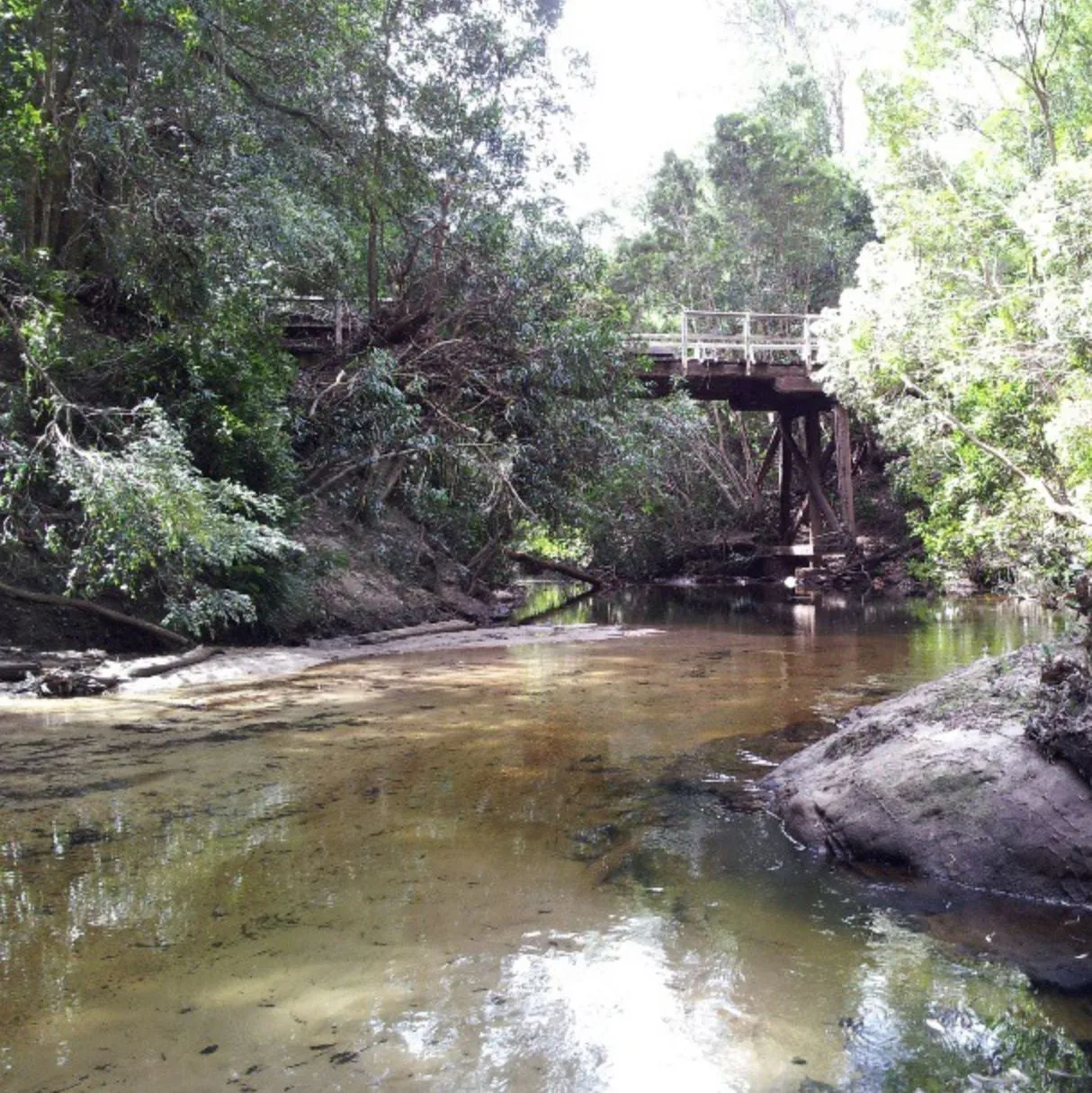
Tucked between Mount Victoria and Bilpin, Bowen’s Creek Canyon is the sort of place that demands effort. There’s no easy way in or out — which is precisely why it stays quiet.
The track down is steep, the boulders are rough as guts, and you’ll likely scrape a knee before you even reach the water. But what awaits is pure magic: a narrow slot canyon with deep, cold pools flanked by moss-covered rock and high cliffs that make you feel small.
If you’re confident with a bit of rope work, there are short abseils into secluded pools that even seasoned locals guard closely.
- Safety Note: Always check recent rainfall; flash floods here are no joke.
- Permit: Not required, but always log your trip intention with NSW Parks.
Many Blue Mountains Tours skip Bowen’s Creek entirely — and that’s fine by me. It keeps the peace for those of us who still enjoy a quiet swim without the crowd.
The Cool Quiet of Victoria Falls Creek
Victoria Falls Creek is where I often end up after a long week on the road. It’s a quieter sibling to the main tourist falls, accessible via a winding trail from Victoria Falls Road near Mount Victoria.
Halfway down, you’ll find a side path to a tiered rock pool that catches the afternoon light perfectly — the water glows amber through the sandstone. The swim here is refreshing, bordering on “brisk”, even in summer. Tip: Dry months only, but still worth it for the peace. Bring a thermos.
Quick Reference Table: Secret Swimming Spots
| Location | Access Difficulty | Water Temp (°C, Summer Avg.) | Best Time to Visit | Facilities Nearby |
|---|---|---|---|---|
| Jellybean Pool (Upper Creek) | Easy | 20–22 | Oct–Mar | Toilets, no bins |
| Bowen’s Creek Canyon | Hard | 14–17 | Nov–Feb | None |
| Victoria Falls Creek | Moderate | 16–19 | Oct–Apr | None |
| Lincoln’s Rock Pools | Easy | 18–21 | Sep–Mar | Café at Wentworth Falls |
| Blue Gum Forest Creek | Moderate | 17–20 | Nov–Mar | Camping locations nearby |
(Based on Bureau of Meteorology averages for the Blue Mountains region – in other words, we’re basing it all on the official weather stats for this area)
Lincoln’s Rock – The Hidden Gem
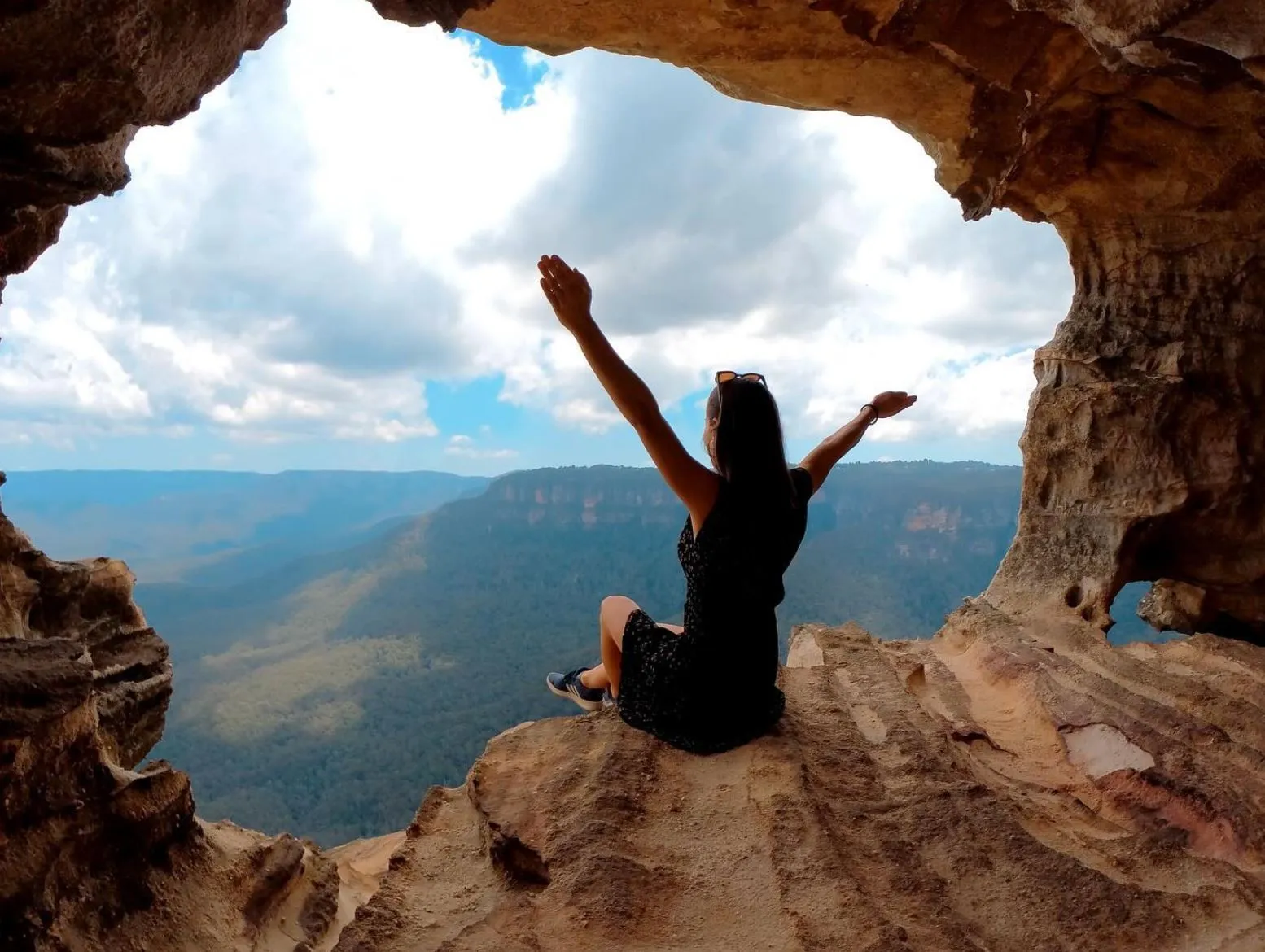
A short distance from Wentworth Falls, Lincoln’s Rock is that spot everyone and their mum wants to take a selfie at – but it’s a secret that’s kept on the down low that the natural rock baths just to the west of the lookout are actually pretty sweet. These are literally just a couple of small, shallow pools that have formed from years of rain runoff and the odd spring – and they just so happen to be perched right on the edge of the Jamison Valley.
Don’t go expecting some plush spa experience here – these rock pools are really more about grabbing a quick cool down between hikes, but the views while you’re dipping your toes in the water are just the most incredible. On a clear day, you can see all the way over to Mount Solitary.
Be careful – don’t even think about heading down there after it’s rained; the sandstone ledges can get trashed pretty easily.
If you happen to be on one of the Blue Mountains Tours, you might get lucky and get to visit this place – a few of the operators include it in their sunset stops.
Blue Gum Forest Creek – A Little Slice of Heaven
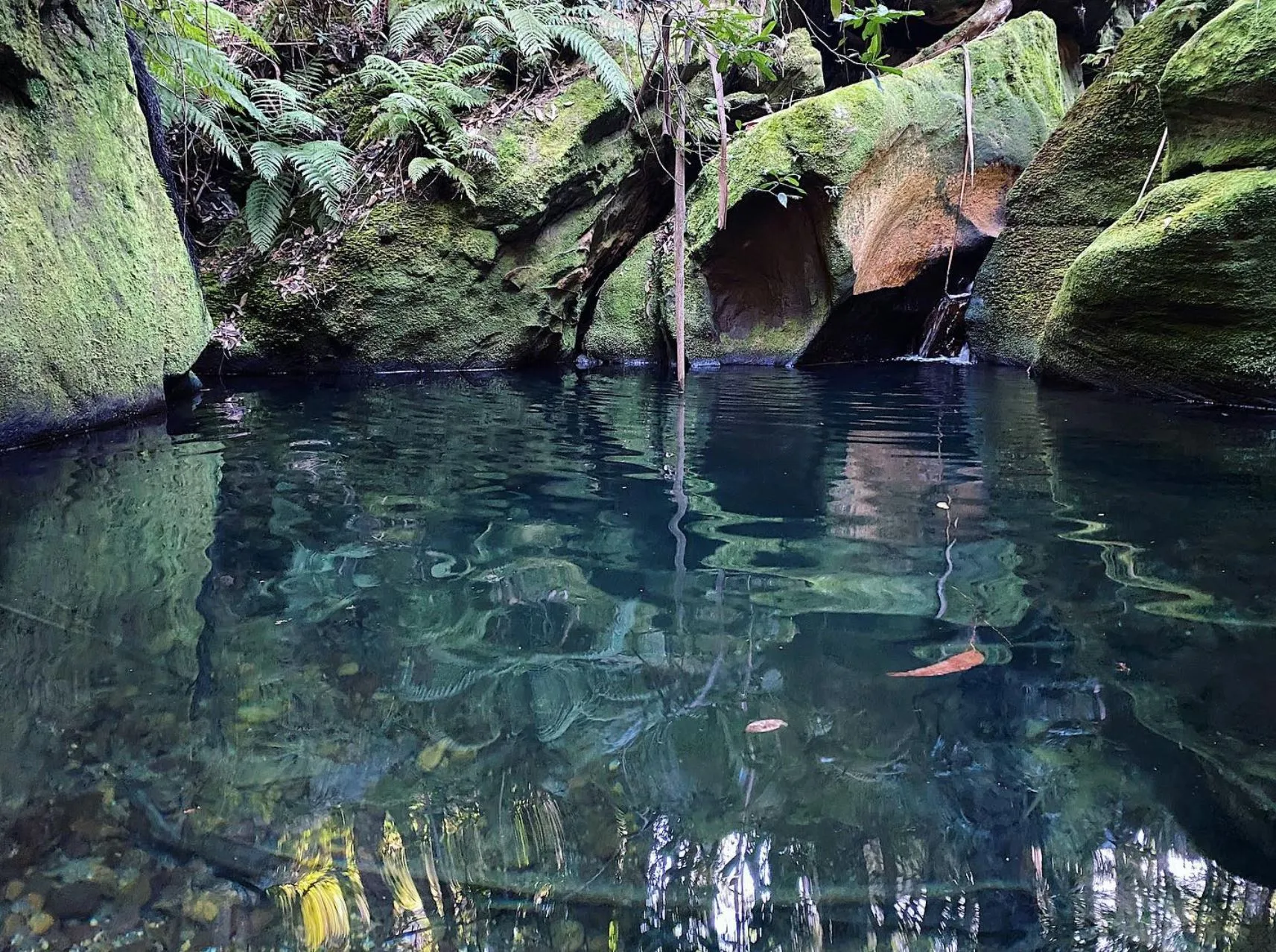
Down at the bottom of the Grose Valley, Blue Gum Forest is a bit of a hallowed spot – for walkers and for the Dharug and Gundungurra Traditional Owners who have always known and loved this place. It’s about a 4-hour return walk from Perrys Lookdown – and let me tell you, the last bit of that track is no joke.
Once you get down into the valley, you can follow the creek as it winds its way through some of the most massive blue gums you’ve ever seen. It’s created a series of shallow pools that are perfect for a leisurely wade. And the sound of the water, the birds, the wind in the trees – it’s worth all the hard work alone.
Just a word to the wise: take care of the Country. Stay on the formed tracks and don’t be lighting fires – this is a protected area, not your backyard.
If you’ve ever been on one of the Blue Mountains Tour itineraries that takes you into the Grose Valley, you’ll know just why this place has such a hold on the hearts of locals and visitors alike.
Responsible Dipping
Before you go off and find your own secret spot, a few reminders from someone who’s seen what happens when bush etiquette goes out the window:
- Pack it in, pack it out: Leave zero trace — not even a banana peel.
- No sunscreen slicks: Use reef-safe or natural options, especially in small creeks.
- Check water flow and conditions: NSW Parks updates trail closures regularly.
- Stay croc-wise? Not here, thankfully — but snakes and leeches love wet areas.
- Follow bush safety basics: Tell someone where you’re going, carry an offline map, and bring a small first aid kit.
How Locals Keep These Places Quiet
There’s a bit of an unspoken code among Blue Mountains locals. You don’t blab the GPS pin to every tourist with a hire car. You share the knowledge in person — maybe over a beer at the Gardners Inn, or while waiting for the train back to Sydney.
It’s not about keeping people out; it’s about preserving the places. Once a spot goes viral on social media, the rubbish follows. That’s why I’m careful about what I share here — enough to get you exploring, not enough to wreck the joint.
According to a 2023 NSW Environment report, visitor impacts increased by 27% in off-track areas within two years due to social media geotagging. So if you find a pristine pool — enjoy it quietly.
Seasonal Guide: When to Go
| Season | What to Expect | Water Conditions | Travel Notes |
|---|---|---|---|
| Summer (Dec–Feb) | Hot, busy main trails | Warm, low flow | Start early; bushfire risk |
| Autumn (Mar–May) | Mild days, clear water | Stable | Best for photography |
| Winter (Jun–Aug) | Cold, misty mornings | Icy water | Wear thermals on descent |
| Spring (Sep–Nov) | Cool mornings, wildflowers | Fresh flow | Watch for snakes |
I recommend early spring or late summer — that sweet spot when the creeks are flowing, the crowds thin out, and you can still feel your toes after a swim. Many Blue Mountains Tours time their schedules for exactly these shoulder seasons, so check their itineraries if you prefer guided travel.
Paul’s Essentials for a Wild Aussie Swim
- Lightweight towel (microfibre saves weight)
- Sturdy walking shoes or old runners for creek beds
- Waterproof bag for your gear
- Natural mozzie repellent
- Thermos for tea or coffee
- First aid kit (include snake bandage)
- Offline map (reception drops fast out here)
- Compact camera for capturing iconic lookouts and outdoor adventures
- Notebook for jotting affiliate links or gear notes for future trips
For those who want to go deeper, I’ll add an interactive map soon linking all these swimming holes, nearby camping spots and a gear breakdown for each season. Consider it your personal adventure guide to the Blue Mountains.
The Cultural and Natural Heart of These Waters
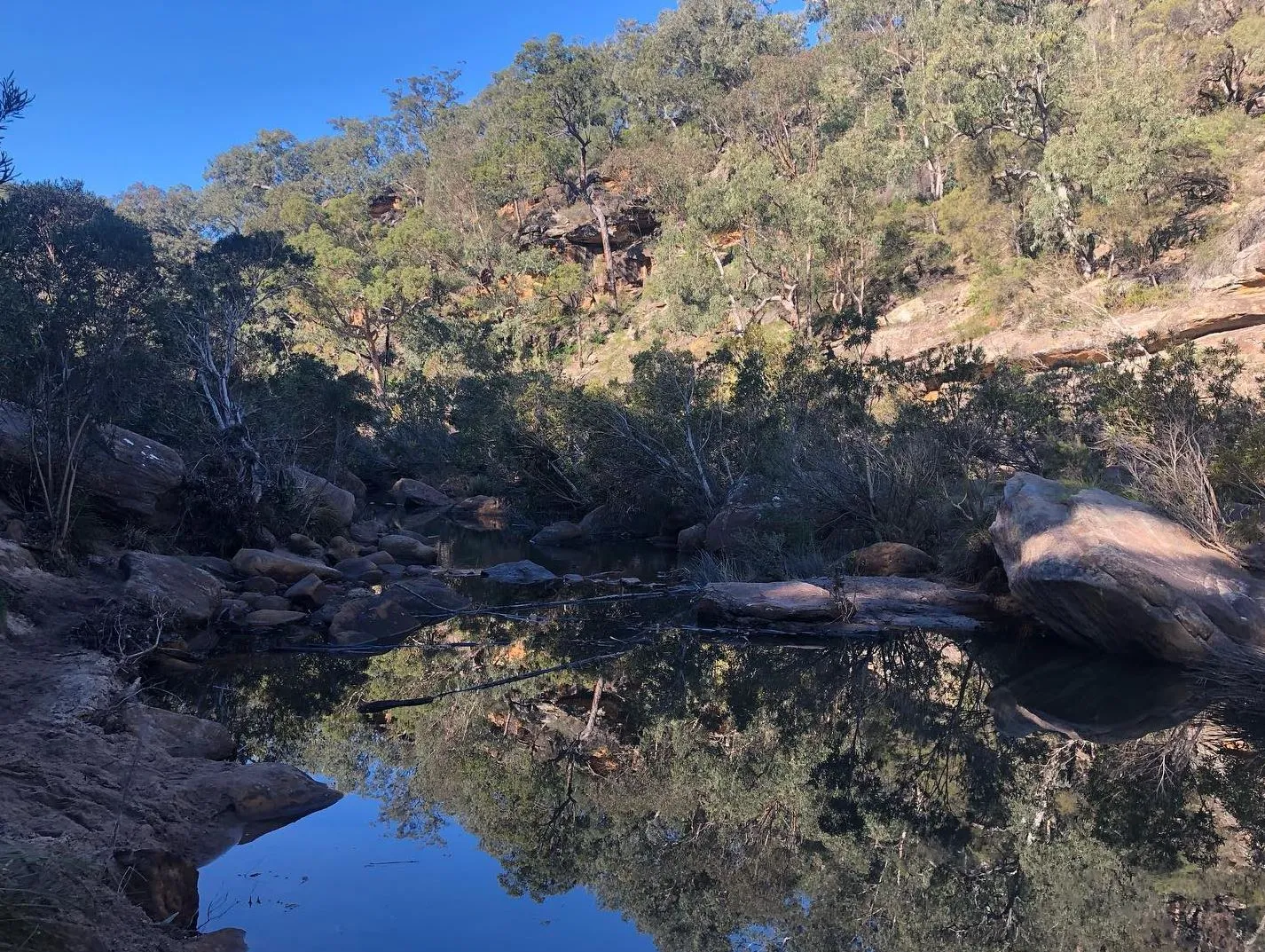
Every one of these creeks sits on Dharug and Gundungurra Country, rich with stories that predate the rail line and hiking trails. If you’re heading out this way, take a moment to acknowledge Traditional Owners and learn about the meaning of these places.
Beyond swimming and hiking, the Blue Mountains are home to some of Australia’s best regional art galleries, live music venues and local markets — all perfect for rounding out a weekend away. If you’re with Blue Mountains Tours, you’ll often get time to visit these cultural attractions too.
Final Thoughts – The Real Treasure of the Aussie Mountains
The truth about these swimming spots is that it’s not the water itself that’s special; it’s the peace and quiet. When you’re out in the bush, with nothing but the sound of cicadas and a sky that puts you into perspective, you remember what Australia’s all about – taking your time and getting off the beaten track.
If you want to explore these wild spots with a small group of like-minded mates who are happy to take it slow and tread easy, we’ve got you covered – through Get Lost Travel Group and Blue Mountains Tour partners. All you need to do is get in touch, and I can point you in the right direction — show you some of the secret spots where the only sound is the bush whispering away.
FAQ
Are these swimming spots okay for families with kids?
Some of them are alright for older kids – places like Jellybean Pool and Lincoln’s Rock pools are pretty good for families. But if you’re thinking of taking the younger ones to Bowen’s Creek Canyon or the Blue Gum Forest, then yeah, some experience and fitness would be a good idea.
Do you need a 4WD to get to these places?
No – every spot I’ve listed can be reached by a standard vehicle. Some of the tracks might get a bit rough after a big downpour, like the one up to Bowen’s Creek.
Can you camp anywhere around here?
Yes, you can – there are designated campgrounds at Blue Gum Forest and a bunch of other places in the Grose Valley. Always book through NSW Parks, just to make sure you’re not out in the sticks without a place to stay.
Are the leeches a real problem?
Let’s just say they love getting on the bush tracks when it’s all soggy and wet. Take some salt or vinegar spray if you’re worried, or do like me and just wear some long socks and press on.
What’s the best time to go for a swim?
Early morning or right before sundown is usually best – fewer people around, nicer light, and a bit of mist still hanging in the valley to make it feel all mystical.
 Bohdan-admin