
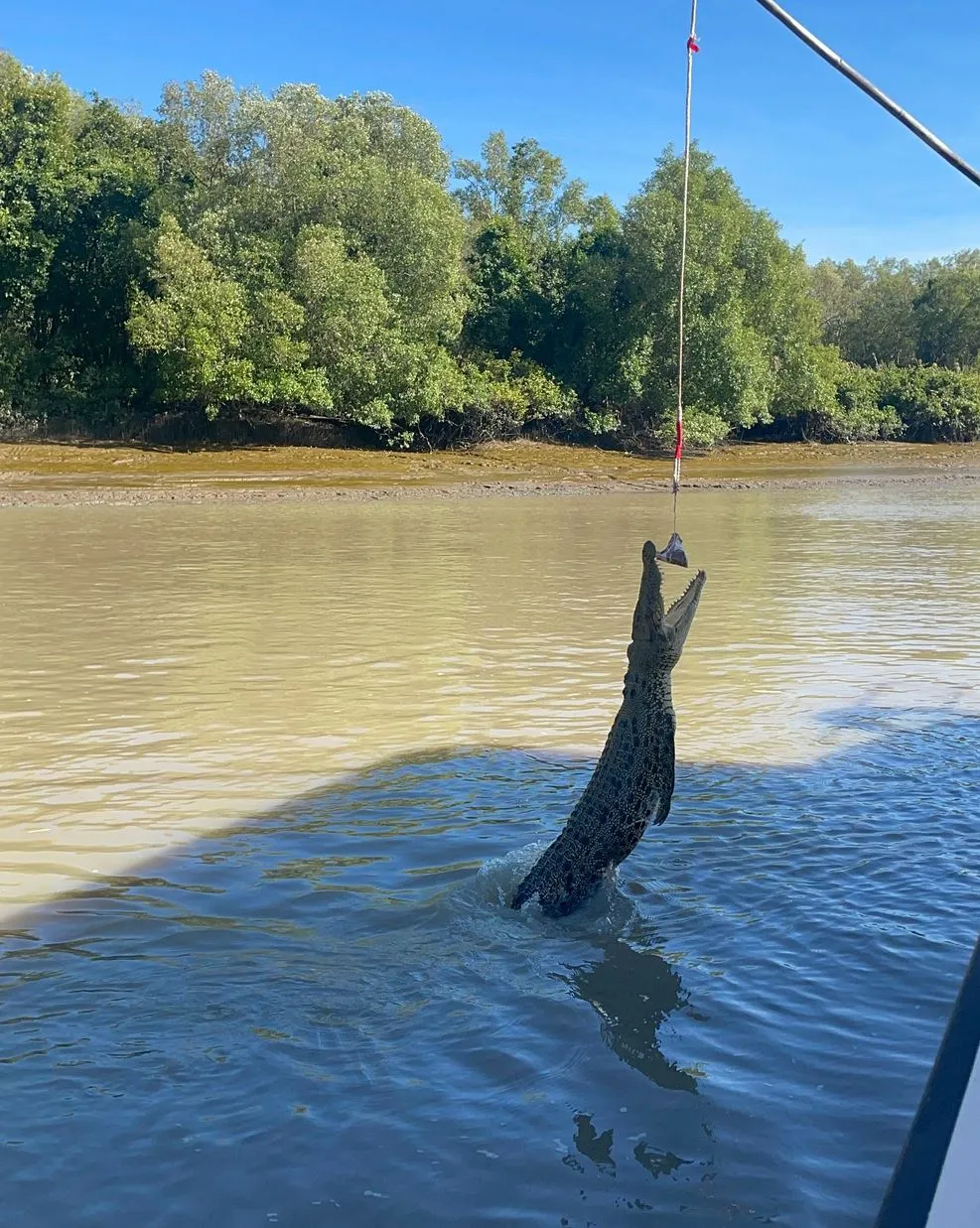
So when people ask me if it’s normal to see only three crocs on the cruise, I tell them the same thing: “Yeah, mate, that’s totally normal.” Most first-timers get on thinking they’re gonna see a dozen crocs bursting out of the water like some stunt team from a Crocodile Dundee rehash – but let’s be honest, nature doesn’t work on cruise ship schedules – it’s got its own stubborn agenda. When people ask me how typical it is to see just three crocs jumping on the Cruise, I tell ’em the same thing I tell everyone: “Yep, mate — that’s actually pretty normal.”
After guiding through the Northern Territory for bloody decades, I’ve figured out the Adelaide River has got moods – some mornings it’s just crackling with energy and others it’s as still as a sodden gumboot. But whether it’s three crocs or six, you’re bound to get a front row seat to behaviour that stretches back to the land before time – long before any human set foot near Arnhem Land.
River Conditions That Influence Croc Behaviour
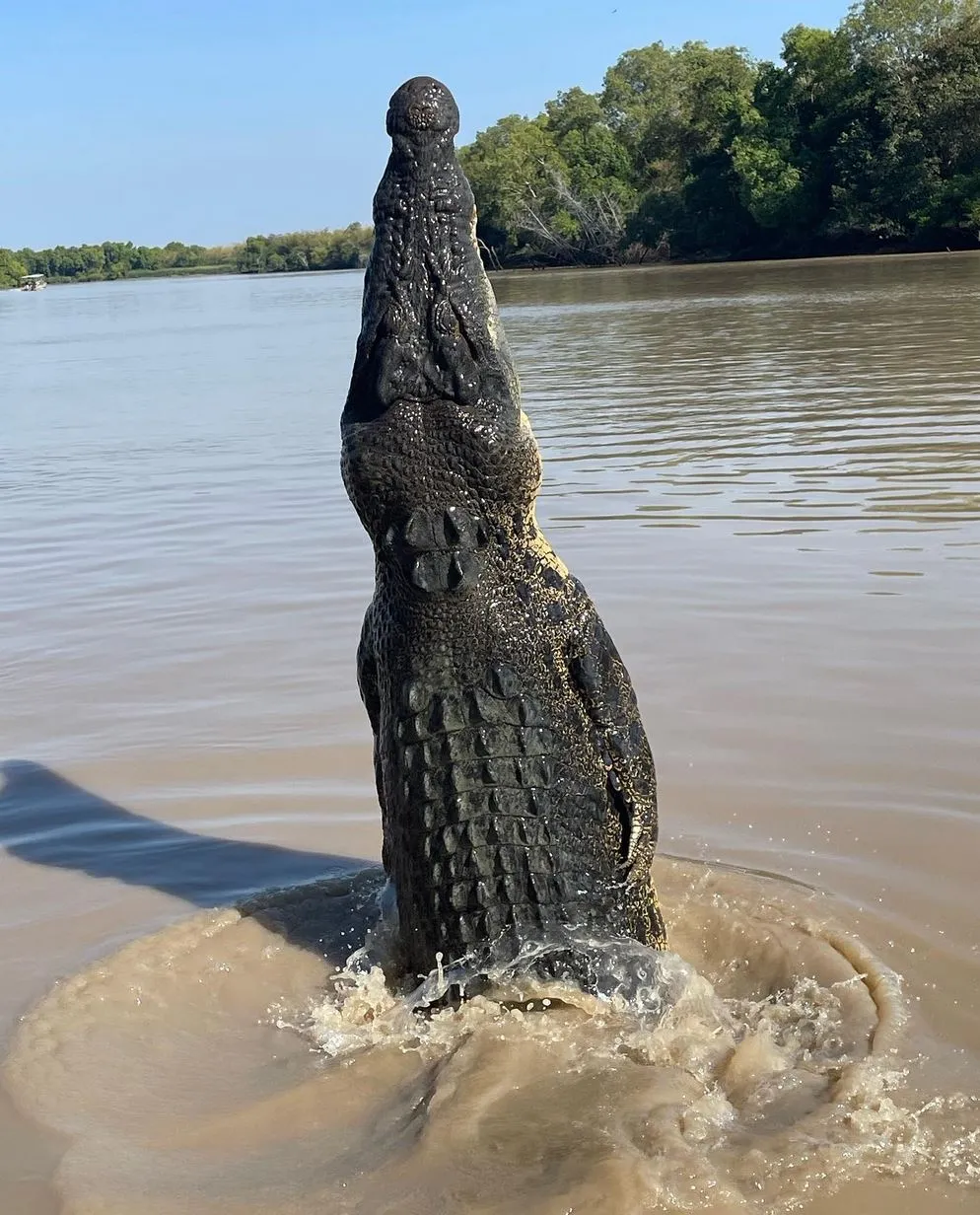
You’re not watching some sort of trained circus act out here – you’re observing bloody wild saltwater crocodiles in one of the most powerful ecosystems Australia’s got to offer. Their activity changes with the tides, the weather, the food supply, and even the bloody personalities of individual crocs. Three crocs appearing during a cruise is within the normal range, especially when it heats up.
What Drives Croc Activity On Any Given Day
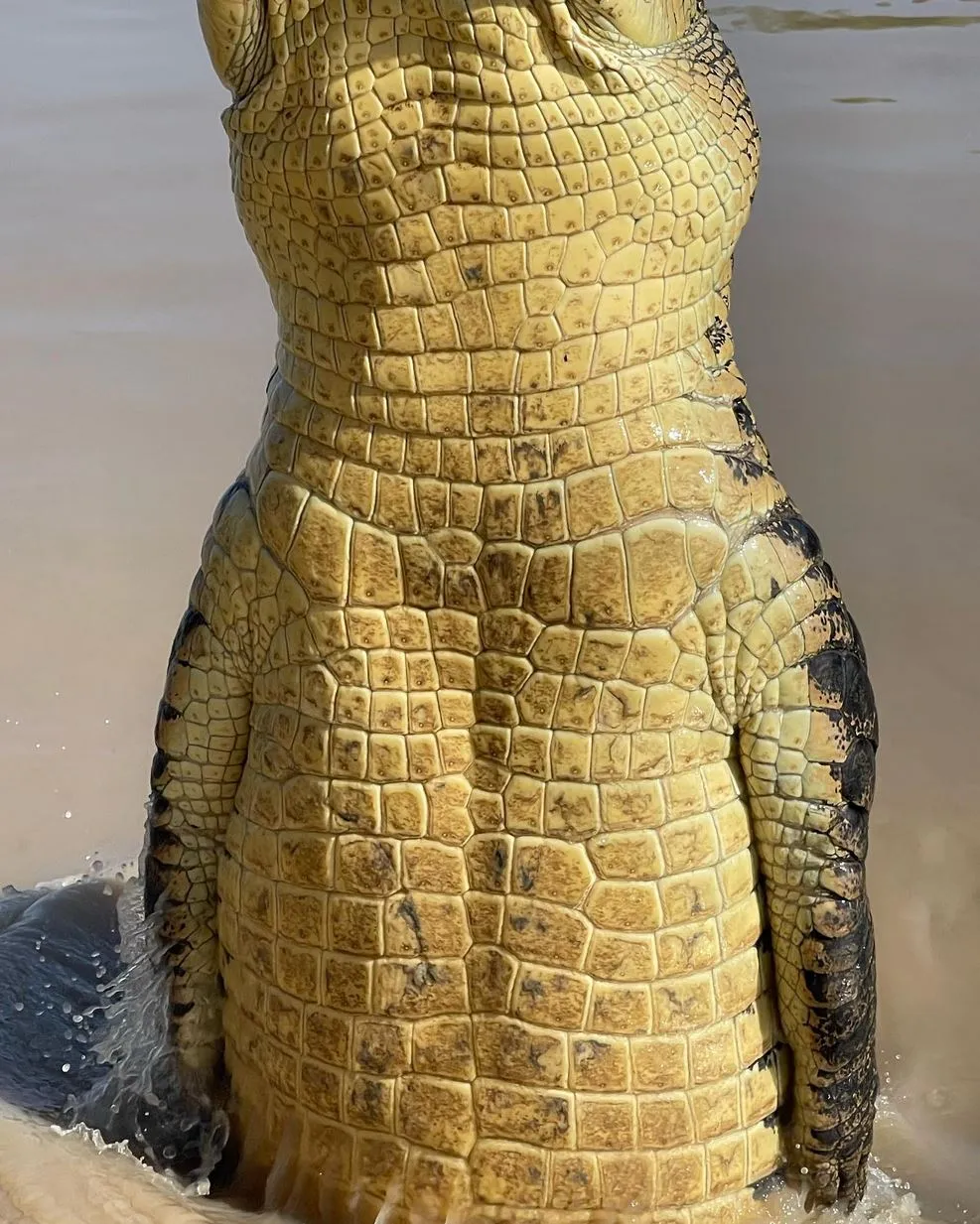
- Temperature swings: When it gets bloody hot – especially in the build-up – crocs just chill in the deeper water to conserve some energy.
- Tidal movement: When the tide is moving fast, it makes it harder for them to get a clear shot at that vertical lunge.
- Dominant individuals: You get one big male show up? The smaller blokes get a bit shy all of a sudden.
- Visibility factors: Is the water all murky? Poor ambush conditions mean they’re not all that interested in snacking.
When we run our small groups through the region at Jumping Crocodile Cruise, we see the same patterns year in year out. Slow days aren’t exactly rare – they’re just part of the natural rhythm of the Top End.
What Wildlife Guides Typically See on the Adelaide River
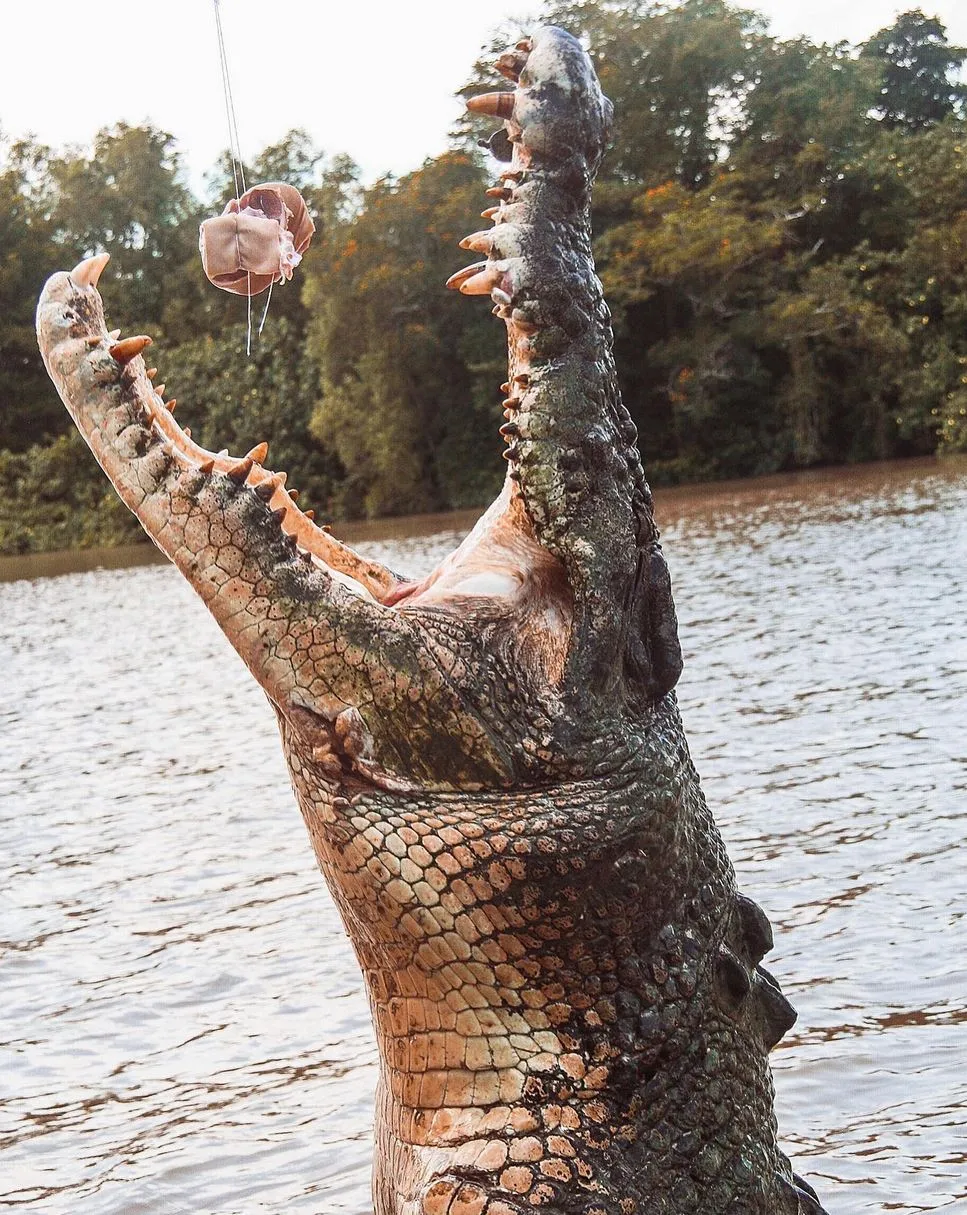
Bouncing onto a Jumping Crocodile Cruise from Darwin, you quickly figure out the river’s got its own script. Operators spend years studying the population, observing individual crocs, and reading the bloody tides like a daily newspaper. That’s why they’ll tell you straight off the bat – the number of active crocs fluctuates.
Over thousands of recorded trips, the average sightings all fall into some pretty consistent seasonal trends :
Average Saltwater Croc Activity by Season
| NT Season | Temperature Range | Common Sightings | Field Notes |
|---|---|---|---|
| Dry Season (May–Sept) | 20–32°C | 4–6 active crocs | Cooler water perks them up; excellent visibility |
| Build-Up (Oct–Dec) | 30–40°C+ | 2–4 active crocs | Energy conservation kicks in; humidity brutal |
| Wet Season (Jan–Apr) | 25–35°C | 2–3 active crocs | Fast water, low clarity, unpredictable behaviour |
These numbers all add up – what I’ve found in my long-term NT Parks notes, what the operators on the ground have been reporting, and my own experience getting my boots muddy have all lined up. So if you only catch a glimpse of a handful of crocs on your boat cruise, that’s still genuine – you’re seeing a top predator at work.
Environmental Factors That Drive Croc Movement
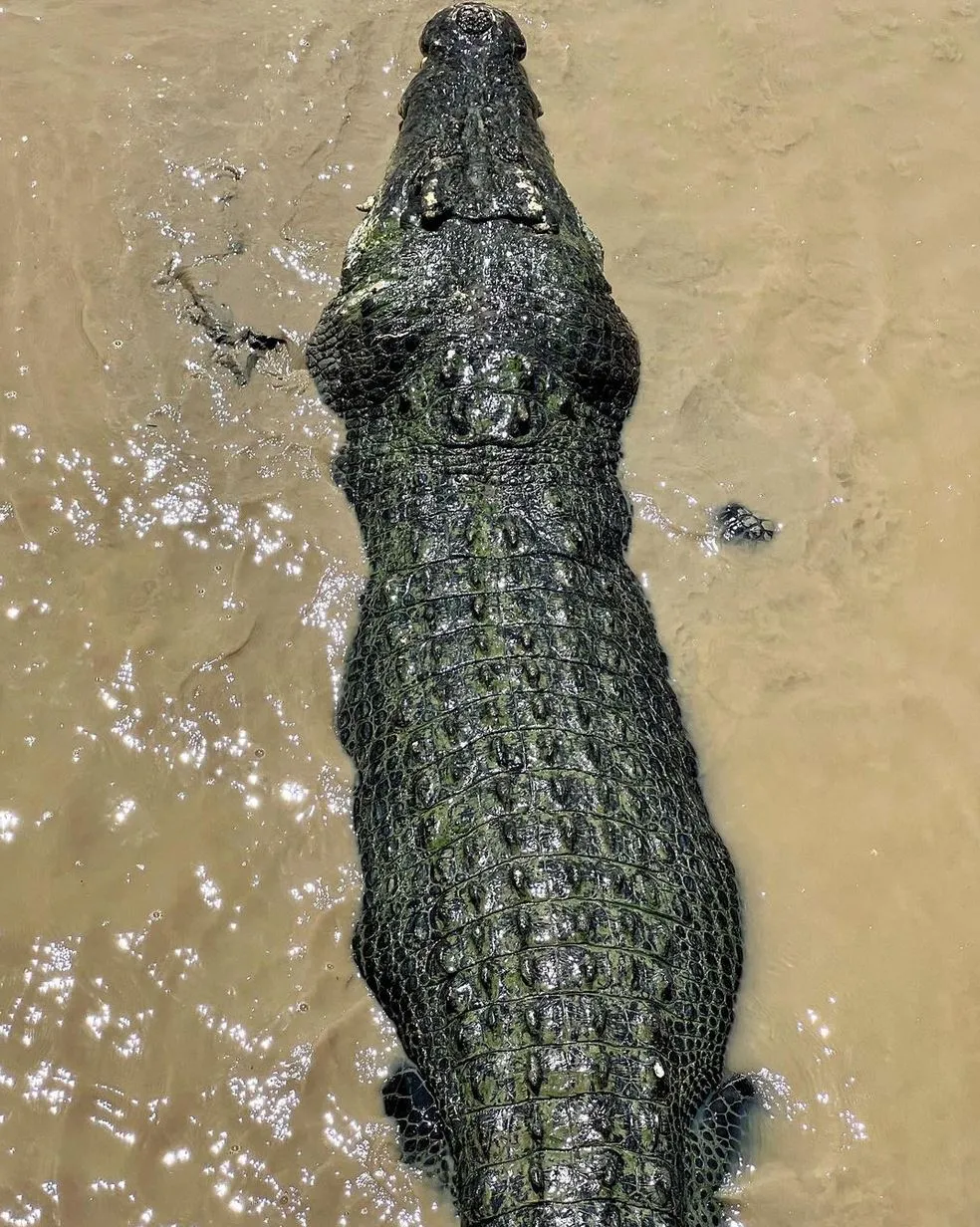
lets take a closer look at why these marine reptiles behave the way they do. I’ve heard every wild theory going, from the moon phases to the colour of the boat, but at the end of the day, it’s pretty simple science.
- Seasonal feeding patterns
Saltwater crocodiles aren’t out here just strolling around looking for a snack. They eat sporadically but heavily. A croc that’s had a big feed on magpie geese, flying foxes, or fish isn’t going to waste energy chasing buffalo meat. - Territorial lines
The river out here is full of neighbourhood squabbles. Crocs have a strong sense of territory, and the hierarchy on the Adelaide River is about as cutthroat as any queue on a Friday night at the pub. Smaller crocs tend to avoid the area when the larger crocs arrive. - Water flow and clarity
Crocodiles rely on stealth to hunt. So when the storms chuck the river around, or the tides are running strong through the mangroves, the crocs become a lot harder to predict, and they tend to just stay below the surface. - Daily temperature peaks
You know how the NT heat just slaps you in the face midday? Crocs feel it just as much as we do; they handle it much better than most of us travellers. In extreme heat, they just slow right down.
Three crocs surfacing isn’t a disappointment; it’s just an honest reflection of the ecosystem doing its thing.
A Quick Glance at NT Croc Populations
Many travellers don’t know how many crocodiles live in the Top End. The NT Government has just done some recent assessments, which claim:
- over 100,000 saltwater crocodiles
- over 70,000 freshwater crocodiles
The Protection Acts back in the 70s really turned things around for this species – they were basically staring near extinction in the face. Since then, numbers have been steadily rising, and the crocodile is still totally secure – Arnhem Land, Kakadu and the Adelaide River are now just thriving strongholds for these incredible animals, which is why crocodile cruises became such a big deal in the first place.
Whether you see two crocs or ten, you’re still witnessing one of the most incredible Australian animals in its own backyard.
What You’ll Notice on a Low Activity Day
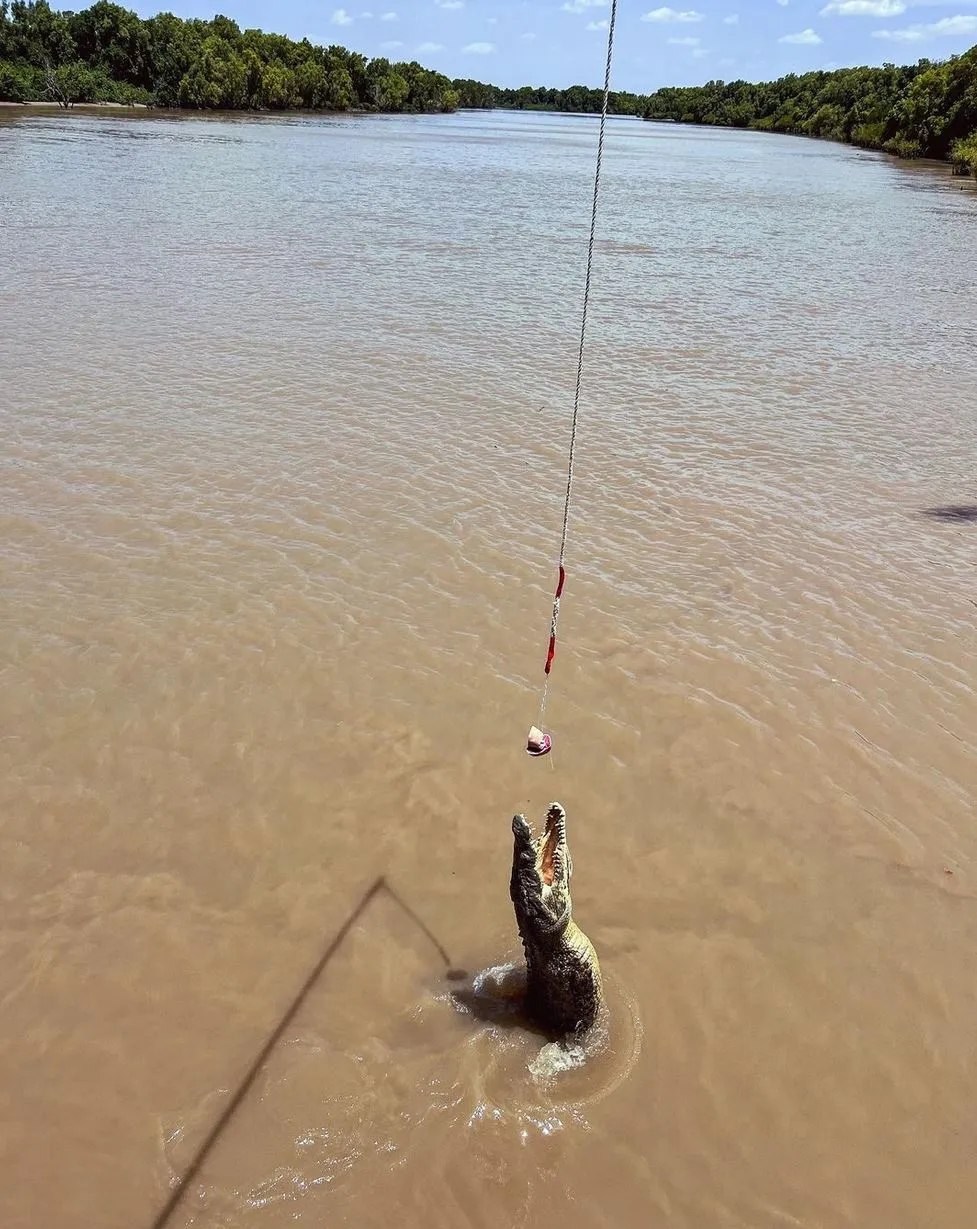
Don’t let the name fool you – “quiet day” doesn’t have to be dull at all. Talk to any seasoned guide, and they’ll tell you that even when the rivers are not boiling with activity, there’s still plenty to experience.
Things you’ll still see
- Big bull crocs just gliding quietly beneath your boat like they own the place
- Smaller crocs are popping up like little ninjas to snatch a snack
- Sea eagles circling overhead, looking for a snack
- Whistling kites riding the wind thermals with ease
- Water monitors pretty much just cruising along the banks looking for a feed
- & you know, that second when the river just completely falls silent before a big croc breaks the surface
If you take a Jumping Crocodile Cruise out of Darwin, you might even catch a glimpse of some of the local crocs – the ones that have made it through the years, after battling it out with other crocs, dodging the odd boat, and migrating to and from the river.
Wildlife Beyond the Crocs
If the crocs are the stars of the show, then the Adelaide River’s got a top supporting cast in the form of its seriously impressive birdlife. This place is a genuine hotspot for birds that go back to the old Gondwana days, and is a treasure trove of Northern Territory wildlife.
Some of the birds and animals you might spot
- Magpie geese
- Egrets
- Kingfishers
- Jabirus
- Sea eagles
- Water buffalo just wandering around the edges of the river
If you’re driving from Darwin, make a point to swing by Fogg Dam – one of the top wildlife hotspots in the whole territory – and a birdwatcher’s paradise.
Field Tips from a Pro (Paul’s Learned the Hard Way)
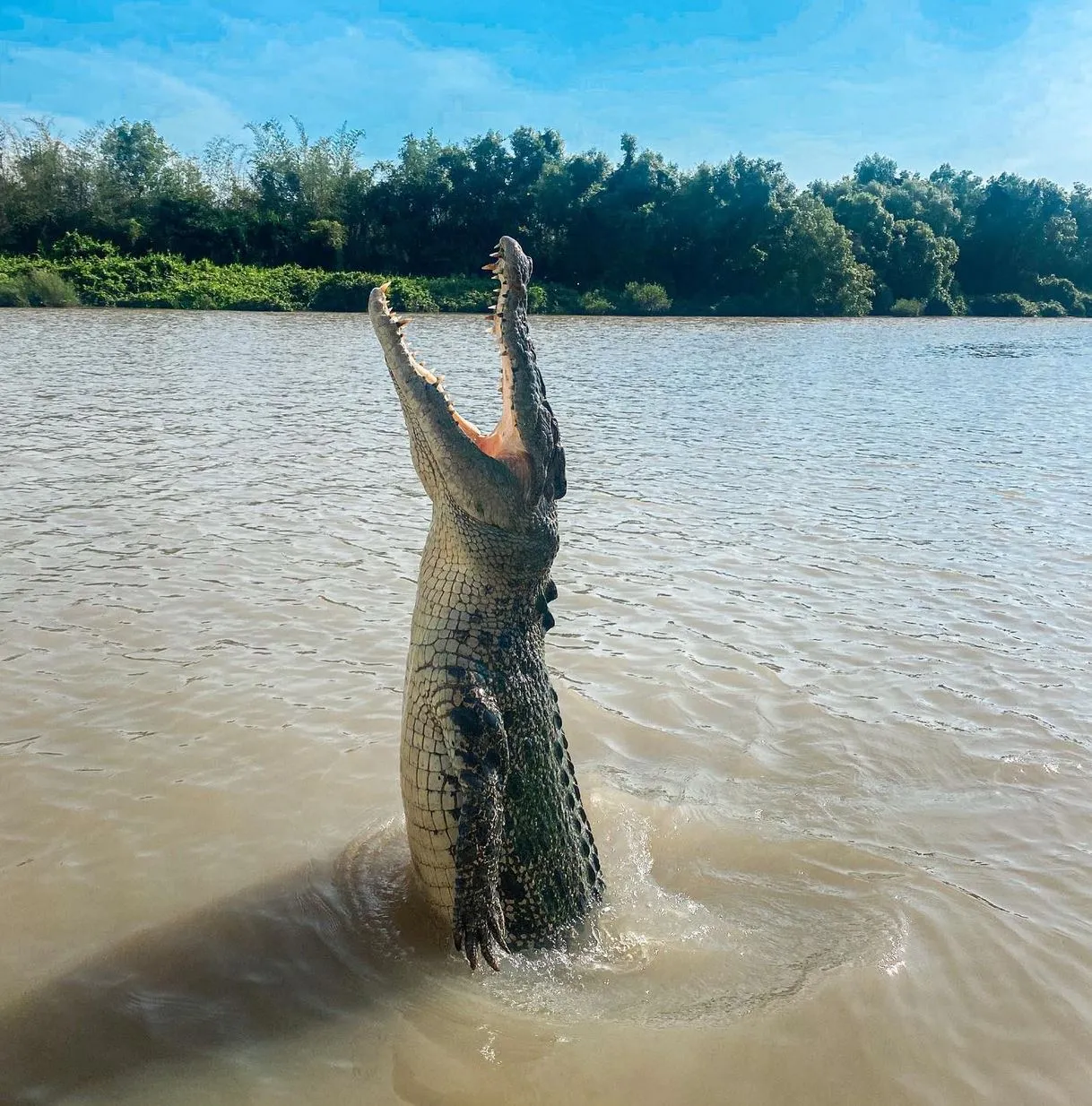
After 30 years of showing people the ropes in the Top End, I’ve picked up a few tricks of the trade that’ll give you the best possible experience spotting crocs.
- Catch the early morning departure
Less heat in the water means crocs are more active – it makes sense, really. - Take a seat in the shade
On most mornings, crocs like to hang out in the darker water – makes sense, too. - Timing is everything
During the wet season, the heat just lies crocs low. In the dry, though, watch out – they’re on the move. - Go with the pros
Local knowledge is key. Anybody can slap up a ‘Book Now’ sign, but it takes years of experience to really know this place like the back of your hand. - Respect the land and its people
Half the land you’re looking at is steeped in Aboriginal history and culture. That rock art across Arnhem Land tells stories that are literally older than time itself. Treat this place with the same respect you’d give to any sacred site.
Why Your Croc Cruise Won’t Always be a Thrill Ride
Some folks think a croc cruise is like a wildlife show, with the animals all lined up to perform. But let’s be realistic – wildlife just isn’t that predictable. Some days are absolute thrill rides, others are as peaceful as a Sunday afternoon. And you know what? That’s just the way it is.
The thing you can be sure of is:
- Our guides know their stuff, trained up to the NT’s top standards
- You’ll get the lowdown on saltwater crocs from people who really know their crocodile biology
- You’ll get to cruise through the country in a boat – and see all the sights
- And what we do, we do out of respect for the animals, and for the land and its people
- Three crocs turn up? No big deal. Six show up? That’s just a bonus – not the norm
The Real Deal
After decades working in the bush, I’ve come to one simple truth: the number of crocs you see doesn’t make or break your trip to the Northern Territory. What makes all the difference is how you approach this wild and beautiful place – with patience, curiosity and a genuine respect for the land and the traditional owners.
The Adelaide River isn’t a theme park attraction – it’s a real, live environment that’s constantly shifting. And when you catch a glimpse of a wild crocodile rising out of the water, even if it’s just the once, you’re a witness to a 200-million-year-old behaviour that’s still going strong.
Got a Top End story you want to share? Throw it in the comments, and I’ll keep adding to my collection of field notes – always on the lookout for a good yarn.
FAQ
Why do croc sightings vary from one trip to the next?
The truth is, it’s all about the conditions: the tides, the temperature, the way the crocs are feeling that day – it’s all working together to decide whether you’ll see any action or not.
Do cruises run all year in the NT?
They do – but things change with the seasons. When it’s dry, the water’s usually clearer, and it’s a lot easier to spot those crocs.
Do you ever see freshwater crocs on these trips?
Not that often. They tend to stick to the quieter, calmer spots in the billabongs rather than venturing into the open river.
How do operators ensure everyone’s safety on these trips?
We’re talking stringent guidelines here – boat rules, feeding practices, passenger movements – we’re all doing this the right way to make sure everyone gets home safe and sound.
Does croc feeding actually help with the conservation effort?
It’s all about balance. We’re permitted to feed crocodiles in controlled circumstances under NT permits; it’s about educating the public and ensuring we don’t harm the environment or the crocodiles.
 Bohdan-admin