
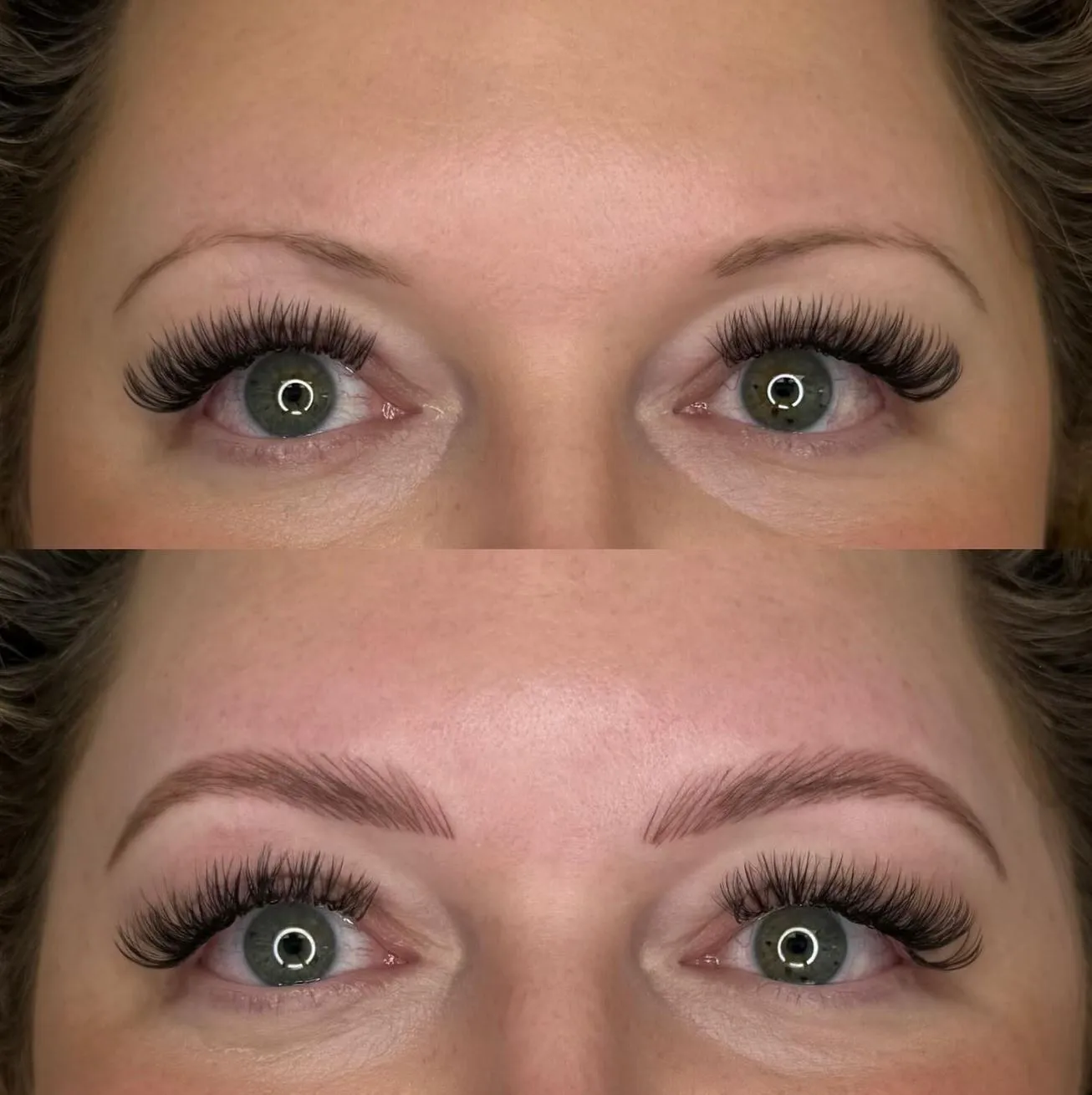
You just had your brows freshly microbladed, and you’re admiring your crisp new arches in the mirror. But if you’ve been asking, “What’s the best cream to use after microblading?” — you’re already thinking like a responsible client. And as someone who’s been tattooing brows in Melbourne since 2016, I can tell you: aftercare makes or breaks your results.
I’m Olha Po, founder of Cosmetic Tattoo Studio Melbourne Face Figurati, and in this blog, I’ll walk you through exactly what to use on your brows (and what to avoid) during that critical microblading healing process. We’ll also touch on skin types, ingredients, Melbourne’s climate, and the pros and cons of popular ointments — because not all creams are created equal.
Avoid These Common Aftercare Mistakes
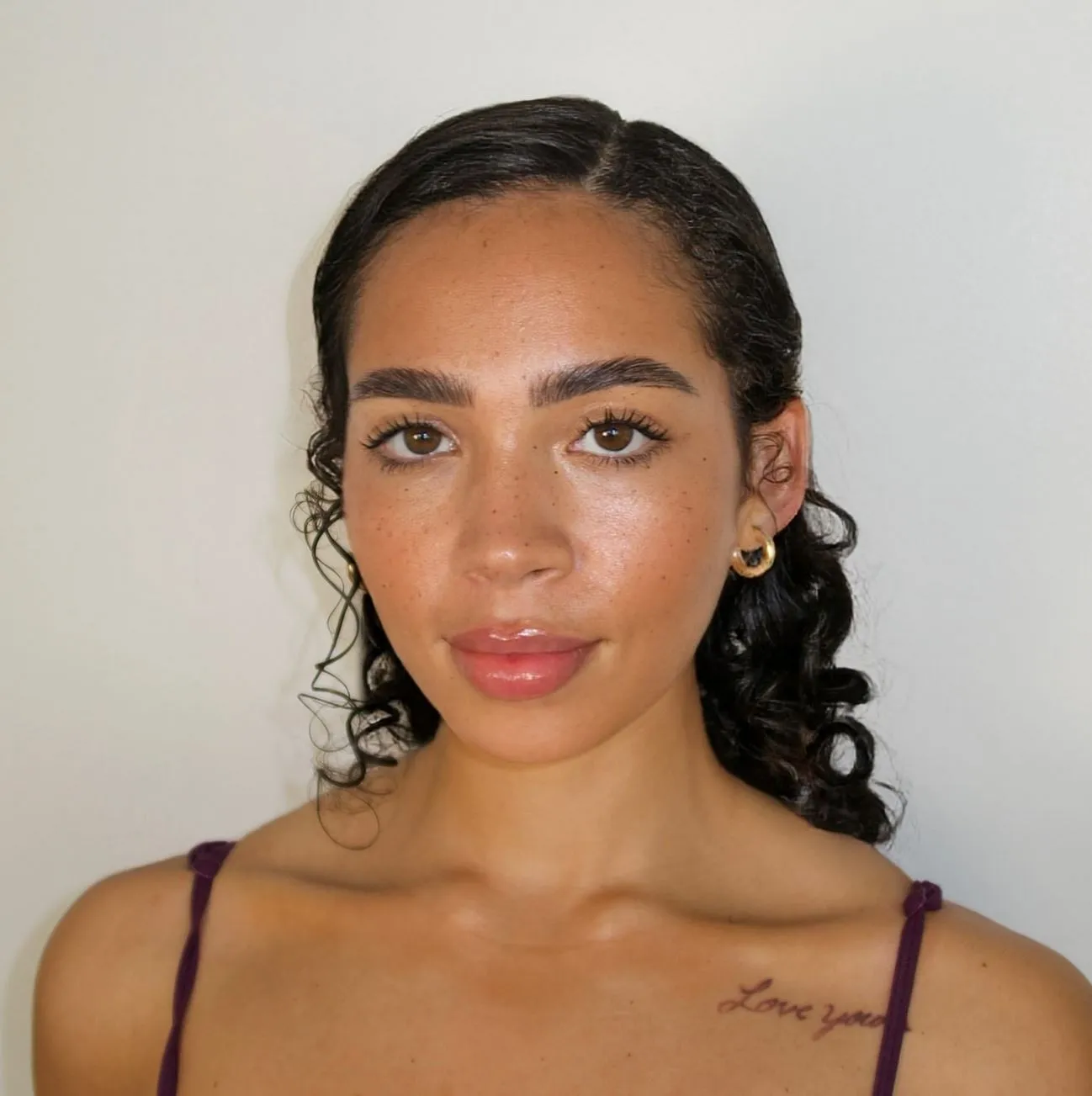
The first 7–14 days post-microblading are when the pigment settles, scabs form, and your skin regenerates. Use the wrong product and you risk fading, patchiness, skin irritation, or even infection. Here are a few creams and habits to steer clear of:
- Thick petroleum-based ointments (like Vaseline): These block airflow and trap bacteria
- Fragranced lotions: Can cause allergic reactions and interfere with healing
- Antibiotic creams: Often too harsh and not needed unless prescribed
- Coconut oil: Sounds natural, but it’s comedogenic and can clog hair follicles
At Face Figurati, I’ve seen perfectly placed microbladed eyebrows go blotchy because a client used the wrong cream. Better safe than sorry.
Best Healing Creams
I only recommend creams that support skin recovery naturally without clogging pores, irritating the skin, or altering pigment retention. My go-to favourites for clients include:
| Product Name | Why It Works | Skin Type Compatibility |
|---|---|---|
| Bepanthen Antiseptic Cream | Gentle barrier and moisture without suffocating skin | Dry, normal, combo |
| Stratamed Gel | Medical-grade healing gel, non-comedogenic | Sensitive, oily, acne-prone |
| Tattoo Goo Aftercare Lotion | Designed for tattoos, supports skin regeneration | Most skin types |
| Aquaphor Healing Ointment | Semi-occlusive, locks in moisture, but breathable | Dry skin (use sparingly) |
Remember: less is more. You don’t want to slather it on like a night cream — a thin, rice-grain amount is plenty.
Why Melbourne Skin Reacts Differently
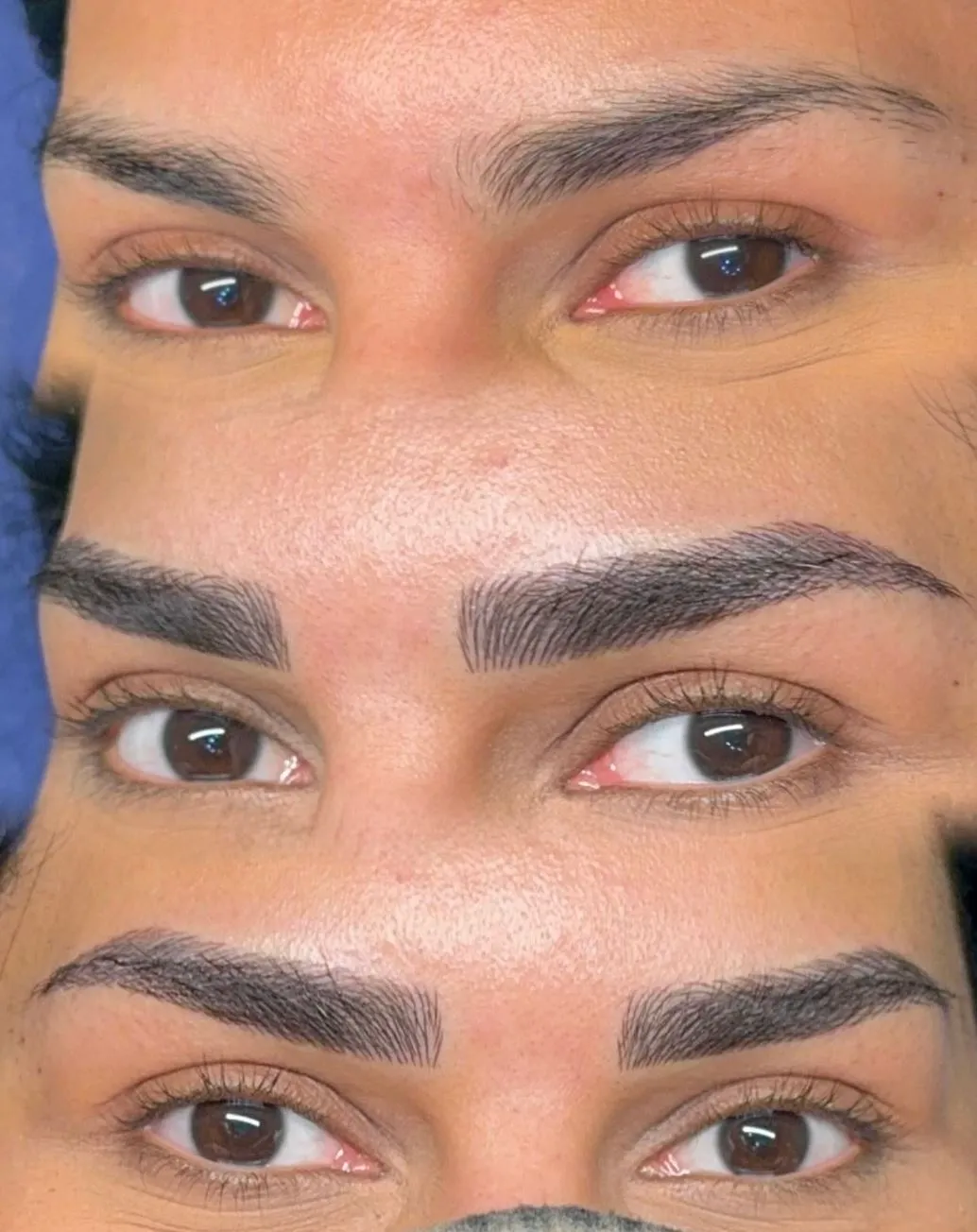
Melbourne’s climate swings can mess with your skin recovery. One day it’s dry and cold, the next it’s muggy and humid. Here’s what I advise my local clients:
- In winter: Use slightly richer balms like Bepanthen to combat dryness
- In summer: Go for lighter gels like Stratamed to avoid sweat-trapping
- During hay fever season: Avoid rubbing your brows if your skin gets itchy or reactive
Our seasons don’t just affect your wardrobe — they affect your healing, too.
Choosing Aftercare by Skin Type
Your skin type plays a major role in what cream you should be using:
- Oily skin? You want breathable, non-comedogenic formulas like Stratamed or Tattoo Goo
- Dry or mature skin? Something emollient like Aquaphor or Bepanthen can prevent flaking
- Sensitive or allergy-prone skin? Fragrance-free, hypoallergenic gels only
I once had a client with reactive skin who broke out in hives from a “natural” balm. After switching her to a medical-grade gel, her healing improved within 48 hours.
Step-by-Step Aftercare Using Cream (Timing Matters!)
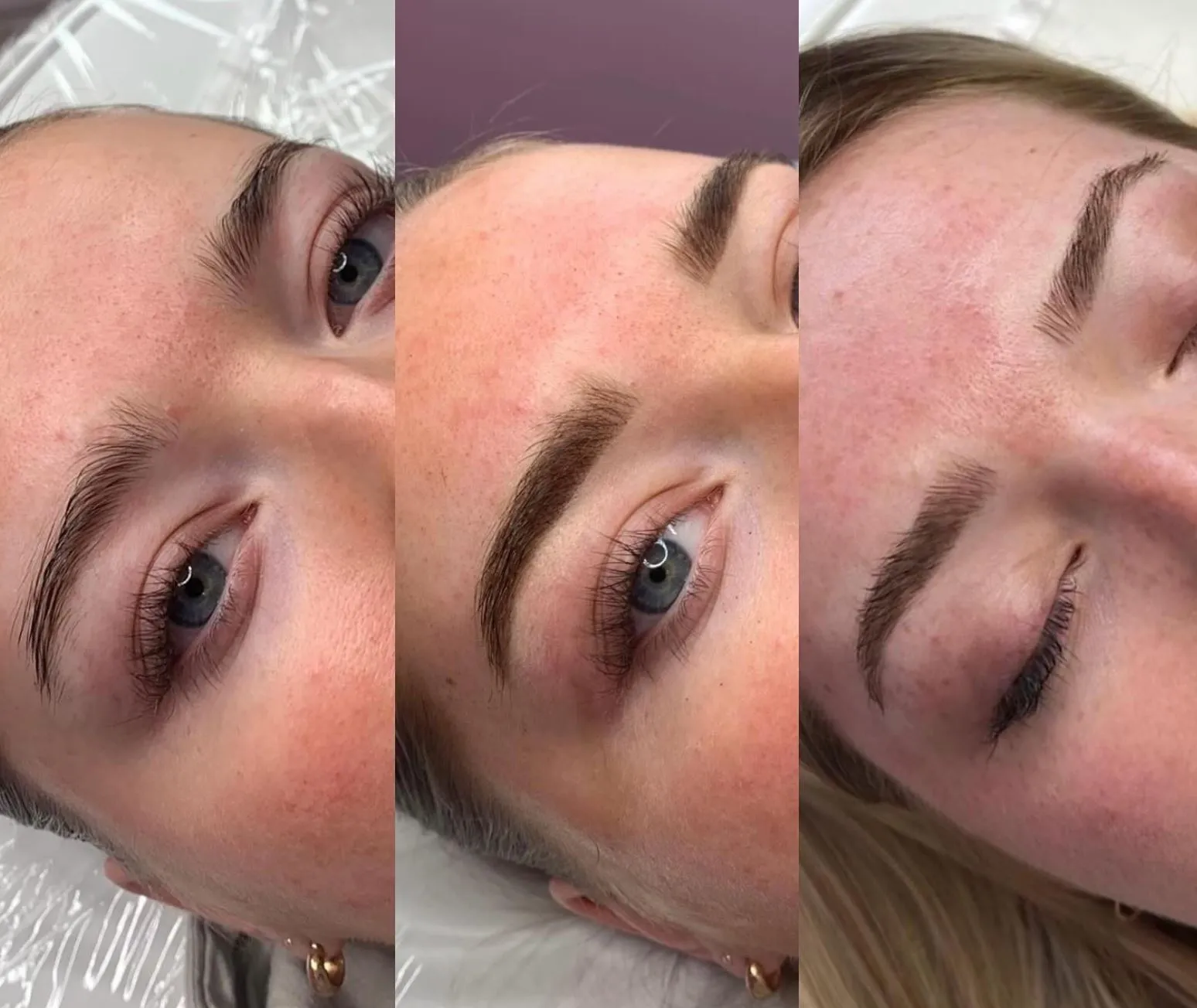
Here’s how I instruct my Melbourne clients to apply healing cream during the microblading healing process:
- Day 1 (Evening only): Gently blot with sterile water and cotton, pat dry, apply a tiny dab of cream.
- Days 2–7: Cleanse brows morning and night with sterile water, apply a thin layer of aftercare product.
- Days 8–14: Use product only once daily (evening), especially if brows feel dry or flaky.
Avoid: Touching brows with fingers, over-applying cream, picking at scabs, and sweating heavily.
Healing is not glamorous — expect some flaking, dryness, and skin irritation. It’s all normal.
Cream Can Make or Break Your Outcome
Let me give you a quick story. A client of mine, Erin, followed every aftercare step. She used Bepanthen as instructed, kept her microbladed eyebrows clean and dry, and came in for her touch-up at 6 weeks. Her healed result? Crisp, natural, and retained about 90% of pigment.
Another client, Jess, applied coconut oil every few hours (despite my advice) because she “read it was healing.” Her brows were healed, patchy, and inflamed, and she needed a full colour correction session later.
The healing cream you choose matters.
Cost of Aftercare Products (What to Expect)
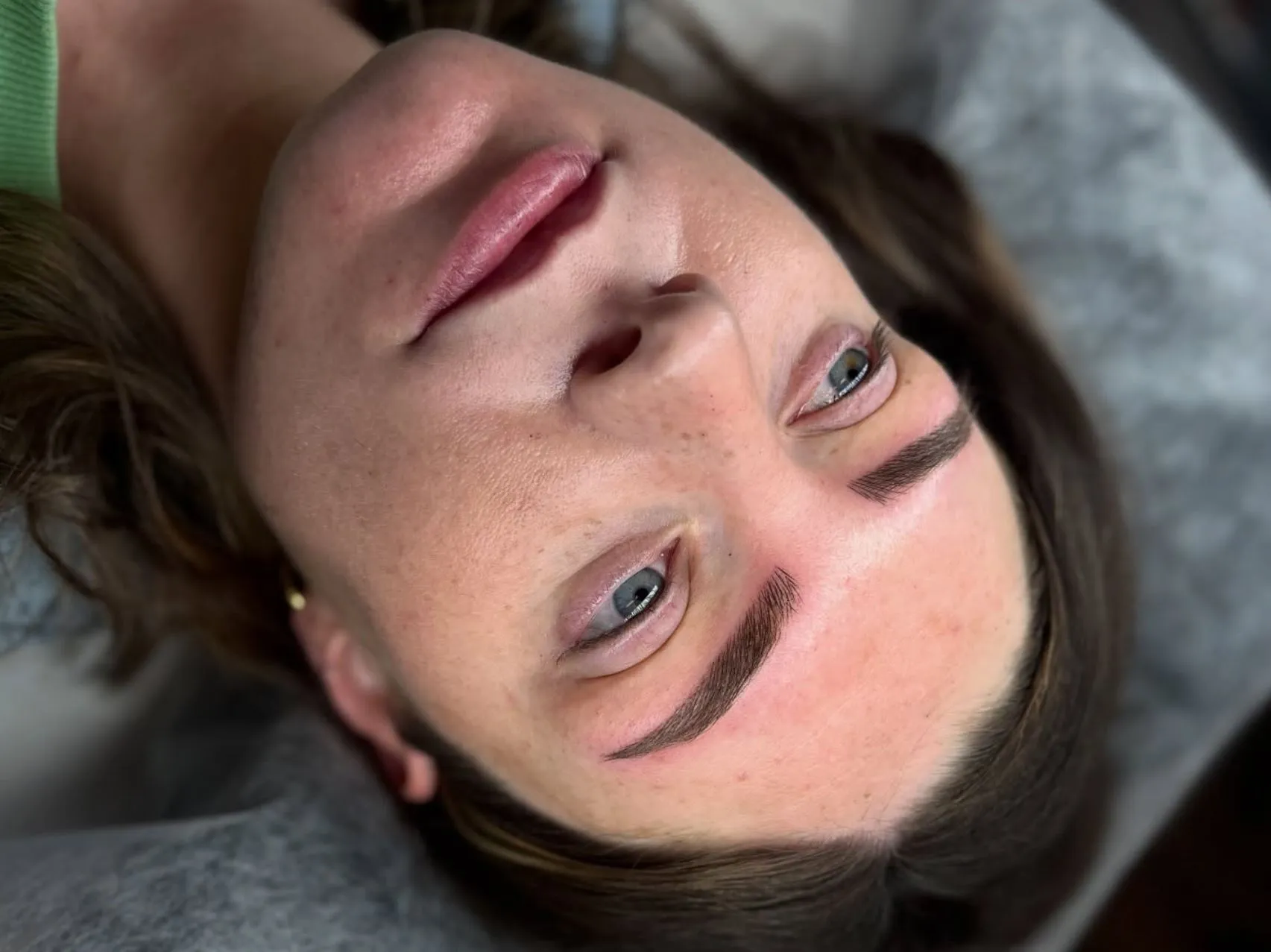
Microblading isn’t cheap — and neither is proper healing. But the right healing cream won’t break the bank. Here’s a quick look at local retail prices (as of 2025):
| Product | Price Range (AUD) |
|---|---|
| Bepanthen (30g) | $7–$11 |
| Stratamed Gel (20g) | $32–38 |
| Tattoo Goo Lotion (21g) | $10–14 |
| Aquaphor (50g tube) | $13–18 |
Your brow artist might include a sample-sized cream in your aftercare kit — at Cosmetic Tattoo Studio Melbourne Face Figurati, I always do. But if you need to restock, your local chemist or tattoo supply shop will usually carry these.
Ingredient Watchlist: What to Look for (and Avoid)
When you’re shopping for a healing cream post-microblading, flip that tube and check the ingredients. Here’s my quick checklist:
- Good signs: Panthenol (Vitamin B5), Allantoin, Centella Asiatica, Petrolatum (in moderation), Glycerin
- Red flags: Fragrance/parfum, Citrus or essential oils, Alcohol, Lanolin (some clients react to it)
Think of your microbladed eyebrows as an open wound — because they are. You wouldn’t pour perfume on a cut, right?
Still Unsure? Ask Your Artist (And Trust Your Skin)
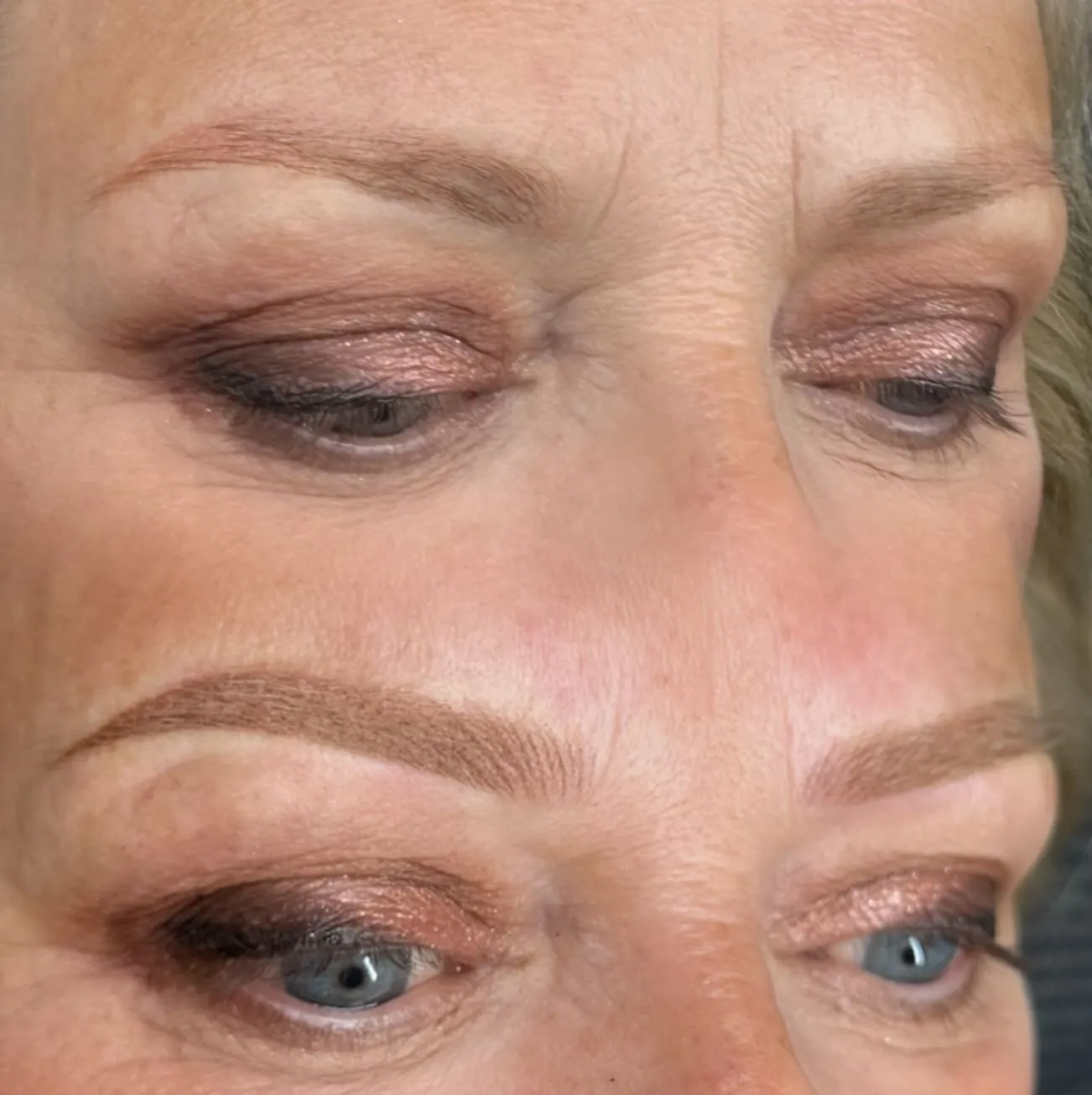
There’s no one-size-fits-all answer to “what’s the best cream to use after microblading”, but there is a best healing cream for your skin, your lifestyle, and your climate.
At Cosmetic Tattoo Studio Melbourne Face Figurati, we personalise every aftercare plan because your results depend on more than just pigment — they rely on how well your skin recovery goes.
Still unsure what’s best for you? Pop into the studio or shoot me a message. I’m always happy to help my Melbourne clients get the best microbladed eyebrows possible.
FAQ
Can I use pawpaw ointment on my brows?
Only if it’s fragrance-free and doesn’t contain fermenting fruit or essential oils, many commercial pawpaw products are too greasy.
Is coconut oil safe post-treatment?
I don’t recommend it — it’s comedogenic and can disrupt pigment retention.
When should I stop using cream on my brows?
Usually around day 14, once all flaking has finished and skin recovery feels complete.
What happens if I skip the cream altogether?
You risk excessive dryness, scabbing, skin irritation, and uneven pigment retention.
Can I use my regular moisturiser?
Not unless it’s been approved by your artist. Many facial creams have actives or fragrances that can harm healing skin.
 Bohdan-admin